

Vet reveals the warning signs hidden in your dog’s fur
Taking care of your dog’s skin is about much more than regular grooming. It is an essential part of their overall health and wellbeing, and a shiny, healthy coat can often be a good indicator of how well your dog is feeling overall.
To help pet owners understand what to look out for, we spoke with Sean McCormack, Head Vet at dog food subscription brand, Tails.com, who shared his top tips for keeping dogs’ coats shiny, soft, and healthy from the inside out. What does a healthy coat look like? Different dogs have unique coats that vary in length, colour, texture, and thickness, which is why it is important to understand what is normal for your particular breed, as any noticeable changes can sometimes signal an underlying health issue.
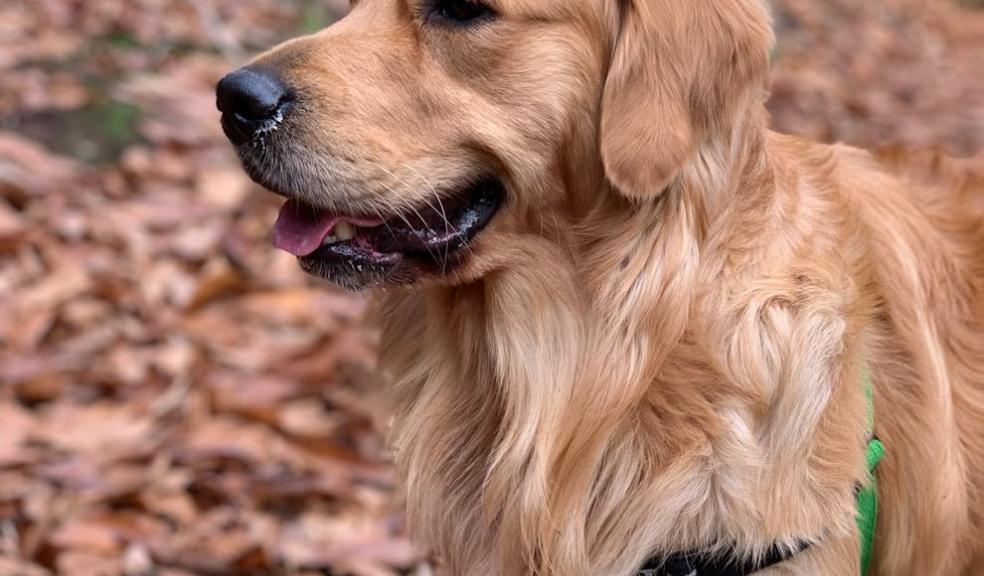
While every dog is different, a healthy coat should generally look shiny and bright, without appearing dull, dry, or greasy. Shedding should be minimal outside of normal seasonal changes, and the skin underneath should be clean and free from redness, flakes, sores, or irritation. Any sudden changes are worth paying attention to and may require advice from a vet. Signs that could indicate your dog’s wellbeing Dull fur While some dogs naturally have glossier coats than others, and some breeds have rougher or harsher fur, it should still look bright and feel good to the touch. Dull or lacklustre fur can suggest issues with your dog’s nutrition or could be linked to conditions affecting the liver or kidneys. If you notice your dog’s coat has suddenly lost its usual shine, make sure you reach out and speak to your vet at your earliest opportunity.
Breakage and brittle fur Changes in your dog’s health can sometimes show up as brittle fur or visible breakage, such as split ends or a dry appearance. This may indicate a lack of essential nutrients in their diet or point towards possible hormonal imbalances.
If you are unsure what to look for, when it comes to dog food, checking ingredient labels or speaking to your vet can help ensure your dog is getting the nutrition they need.
Excessive shedding Shedding is normal at certain times of the year as dogs adjust to seasonal changes. However, if shedding becomes excessive or continues for long periods, it may indicate an underlying issue. Excessive shedding can be linked to stress, allergies, parasites, or other health conditions, so it is important to keep an eye on changes and speak to your vet if something seems unusual.
Dandruff and flaky skin Just like humans, a dog’s skin can also show signs of health problems. If you notice dandruff or dry, flaky skin that leaves white flakes in their coat, this could point to allergies or dryness. Managing dandruff in dogs often requires medicated shampoos, so it is best to seek advice from your vet to find the most suitable treatment.
Unusual odours from the coat or skin Dogs love rolling in mud and splashing through water, which can naturally lead to some strong smells. However, if your dog’s coat continues to smell unpleasant despite regular bathing, it could indicate a skin infection, ear issues, or another health problem that requires a veterinary check.
Tips for looking after your dogs’ coat and skin
1. Make sure you give them regular baths
One of the key ways to care for your dog’s coat and skin is by bathing them, particularly during the winter months when they are more likely to pick up dirt, mud, and grime.
It is important to find the right balance, as bathing too frequently can strip natural oils from the skin and coat. For most dogs, washing once or twice a month is sufficient, although this may vary depending on breed.
2. Brush and groom fur every few days
Regular brushing and grooming can make a big difference to your dog’s coat. Brushing every few days helps prevent matting and tangles, especially for curly or longer-haired breeds, and also allows you to check for parasites or unwanted hitchhikers picked up outside that could cause irritation to your dog's skin.
3. Invest in high quality food
Nutrition plays a major role in the condition of your dog’s coat. A dull coat can be a sign that your dog’s diet is missing essential nutrients, such as fatty acids like Omega-3, high quality proteins, zinc or vitamins A, E and B, which are crucial for skin barrier function and hair growth. This is why choosing high-quality food that suits their individual needs is so important.
4. Consider supplements
Certain supplements, such as fatty acids that may support coat and skin health and help keep fur soft and healthy. However, before adding any supplements to your dog’s routine, it is important to speak with your vet, who can advise on the right dosage and how to introduce them safely.
5. Speak with your vet
If you notice sudden changes to your dog’s skin or coat, or if they appear itchy or uncomfortable, always seek advice from your vet. Early guidance can help identify potential issues and keep your dog feeling their best.