


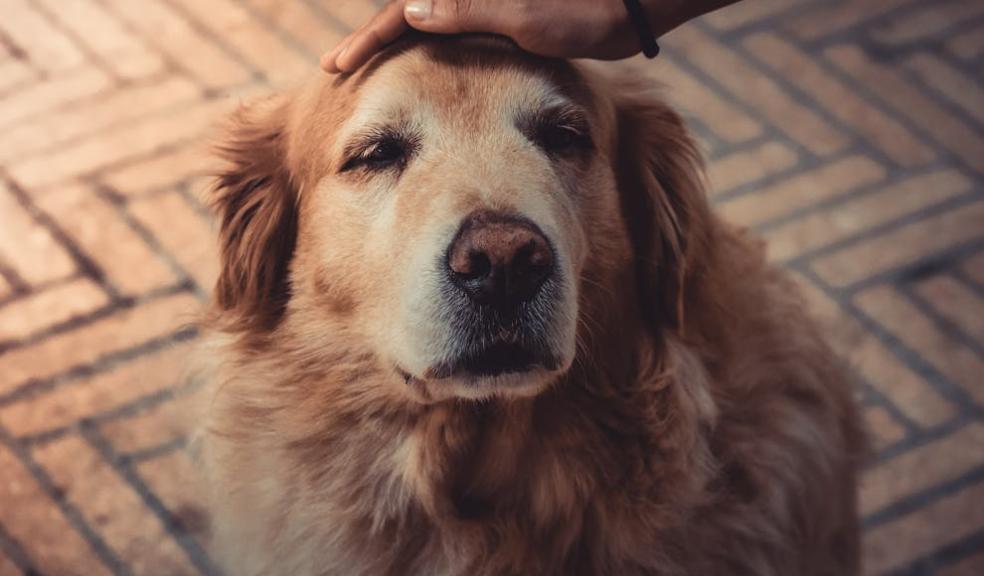
Vet reveals the biggest mistakes you can make with an ageing dog
As our dogs enter their autumn years, it’s natural to notice changes in their energy and mobility. However, one vet warns, your dog slowing down doesn’t always mean you should do less.
One of the biggest mistakes dog owners make with ageing pets is assuming that reduced activity is just ‘old dog behaviour’, rather than a signal that something might be amiss.
With this in mind, we’ve spoken to Sean McCormack, Head Vet at leading dog food subscription brand, Tails.com, who explains the most common signs that an older dog needs support, why slowing down too much can be a red flag, and what you can do to help.
The most common signs of ageing you might overlook
“Many people think slowing down is normal, but it’s important to look more closely at the reasons why a senior dog is reducing activity.
“As dogs age, their bodies and systems change, and some signs that something more than normal ageing is happening can be subtle.
“Senior dogs often begin showing signs of mobility issues, changes in appetite or thirst, and behaviour shifts that can indicate underlying health issues such as arthritis, dental disease or organ function changes.
“A key part of helping ageing dogs is recognising when these changes cross the line from expected to concerning.
“For example, reduced interest in walks or hesitation to climb stairs can be more than just ‘getting old’, it can be a sign of painful joints or musculoskeletal strain.
“Older dogs are also prone to dental disease, vision or hearing loss, and cognitive changes that can affect daily life if not addressed early.”
Regular vet check-ups are key
“One of the most impactful things you can do for an ageing dog is to schedule more regular veterinary check-ups, ideally twice a year rather than annual visits.
“Regular health screenings, including blood panels, organ function tests and dental assessments, help vets catch issues like kidney disease, arthritis or heart problems before they become severe.
“Older dogs can mask pain or discomfort, so what seems like a slow walk might actually be their way of coping with joint pain. Routine vet visits help us spot changes that owners might miss at home.”
Supporting joint and mobility health
“Joint issues are one of the most common reasons senior dogs slow down. As dogs age, cartilage wears down and joints can become painful, leading to stiffness and reduced mobility.
“Encouraging gentle movement and supporting joints with vet-recommended supplements can make a real difference.
“Supplements like glucosamine, often used alongside omega-3 fatty acids, can help reduce inflammation and support joint comfort. However, it’s important to consult your vet before starting any new supplement routine.
“Regular, moderate exercise such as short daily walks or gentle play helps maintain muscle strength, supports joint health and keeps dogs mentally engaged. Too little movement can actually make stiffness worse.”
Making your home more joint friendly
“Making small changes to your dog’s home environment can have a big impact on their comfort and confidence.
“As dogs age and their joints become stiffer, everyday surfaces like wooden or tiled floors can become slippery and difficult to navigate. Adding non-slip rugs or runners can help provide better traction and reduce the risk of slips and falls.
“Stairs, steps and jumping up the furniture can also put extra strain on ageing joints. Using ramps or pet steps can make these movements much safer and less painful, helping to protect sore hips, knees and elbows.
“It’s also helpful to keep walkways clear of clutter, loose wires or toys that could become trip hazards, particularly if your dog is also experiencing changes in vision or balance.
“Simple adjustments such as ensuring food and water bowls are easy to access, and even slightly raised if needed, can reduce unnecessary strain.
Adjusting diet and nutritional support
“Nutrition plays a significant role in supporting ageing dogs, as their metabolism and digestive needs change.
“Senior diets formulated with high-quality protein, balanced fats and the right vitamins can support muscle maintenance, immune function and overall wellbeing.
“Feeding a diet designed for senior dogs can help manage weight and ensure they’re getting the nutrients they need without excess calories.
“Supplements may be beneficial for specific concerns such as joint support or cognitive health, but they must always be used under veterinary guidance to avoid interactions or duplication with other medications.”
Mental stimulation and behavioural support
“Ageing doesn’t stop a dog’s need for mental engagement. Cognitive decline can occur in senior dogs, similar to dementia in humans, leading to disorientation, sleep changes and behaviour shifts. However, mental enrichment can help slow the progression of some symptoms.
“Incorporating scent games, puzzle toys and gentle training sessions into daily life can help keep the brain active and provide emotional enrichment.”
When to seek veterinary advice
“Owners should pay attention to signs that go beyond normal ageing, such as sudden or worsening lethargy, persistent changes in eating or drinking, limping, disorientation, coughing or any progressive decline in mobility.
“These signs warrant a visit to the vet to rule out underlying health problems and ensure appropriate care.
“Catching issues early gives vets a much better chance of managing them effectively and improving your dog’s quality of life.”