

Essential Grooming Tips for Every Dog Owner
Regular grooming keeps your dog comfortable and gives you an early chance to spot lumps, sore skin, parasites and changes in coat condition. The routine should suit your dog’s coat, age and activity level, so a short-haired indoor dog may need far less attention than a long-haired dog that loves muddy walks.
These practical dog grooming tips can help you build a routine that feels manageable for you and familiar to your pet.
Brushing Techniques for Different Coats
Short, smooth coats usually benefit from a weekly brush with a rubber mitt or soft bristle brush. Work in the direction of hair growth, paying attention to the shoulders, back and hindquarters. Double-coated dogs often need brushing several times a week during seasonal shedding. Use an undercoat rake gently, one small area at a time, without pressing into the skin.
Long or curly coats need more frequent attention because tangles form close to the skin. Separate the coat into sections and start at the ends before moving towards the roots. If you maintain or tidy suitable coat types at home, Andis clippers and accessories include clippers, blades and attachment combs for home users and professional groomers. Never run clippers through tight matting, as folded skin may be caught beneath it.
Bathing Best Practices at Home
Most dogs only need a bath when they’re dirty, smelly or following advice from a vet. Bathing too frequently can remove natural oils and contribute to skin irritation, particularly when human shampoo or heavily scented products are used.
Brush out loose hair before the bath, then place a non-slip mat in the tub or shower. Use lukewarm water and dog-specific shampoo, keeping water away from the eyes and inner ears. Rinse until the water runs completely clear because shampoo left in the coat can cause itching.
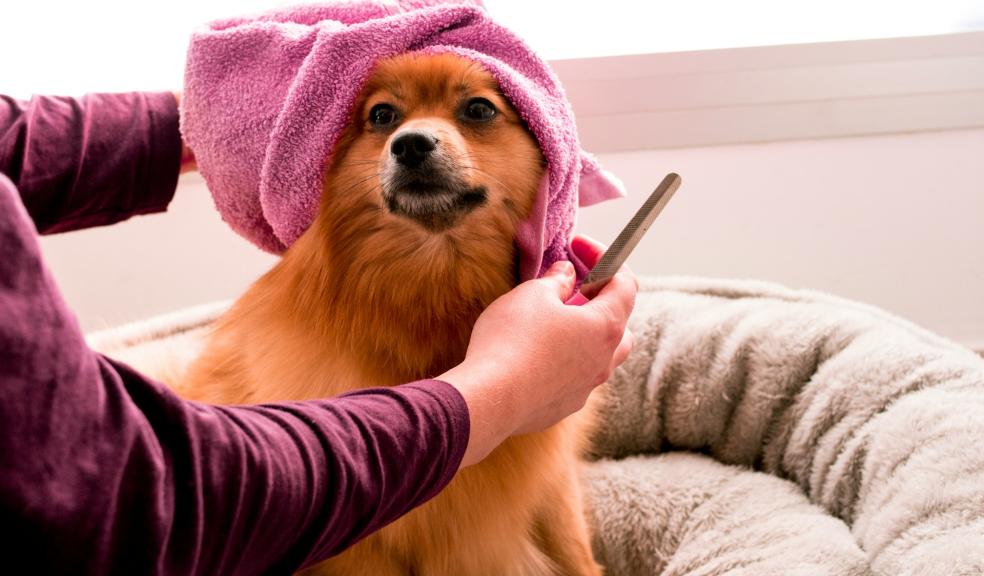
Towel-dry by pressing the coat instead of rubbing it vigorously. If you use a dryer, choose a cool or low setting and keep it moving so one patch of skin doesn’t become hot.
Nail Trimming Made Simple
Check your dog’s nails every two to four weeks. Nails that click loudly on hard floors or affect the dog’s stance are usually ready for attention. Choose a quiet room, hold each paw securely without squeezing and trim only a tiny amount at a time.
Light-coloured nails often show the quick as a pink area inside the nail. It can be difficult to see in dark nails, so remove thin slices and stop when the centre begins to look darker or chalky. Keep styptic powder nearby in case you catch the quick.
Some dogs need several short sessions before they accept nail clippers. Start by touching the paws, reward relaxed behaviour and trim one nail if that’s all your dog can comfortably manage. Ask a groomer or vet for help if the nails are overgrown, cracked or painful.
Maintaining Healthy Paws and Ears
Inspect the paws after walks, especially when the ground has been muddy, icy or covered with grit. Look between the toes for grass seeds, small stones, redness and compacted dirt. Wipe the paws with a damp cloth, dry them carefully and trim excess hair only when you can clearly see where the skin begins.
Ear care should stay gentle. Check the outer ear for redness, discharge, swelling or an unusual smell, but don’t push cotton buds or tools into the ear canal. A vet-approved ear cleaner can be useful for dogs prone to wax, provided you follow the product instructions.
Persistent head shaking, scratching or tenderness needs veterinary attention. Ear infections can worsen quickly and home cleaning won’t treat the underlying cause.
Choosing the Right Grooming Tools
A small, practical kit is easier to use than a drawer full of unsuitable tools. Match the brush to the coat: soft bristles for smooth coats, a slicker brush for many medium or long coats and a wide-toothed comb for checking tangles. Rounded tips and comfortable handles make careful work easier.
Your kit may also include dog nail clippers, styptic powder, absorbent towels, dog shampoo and a non-slip bath mat. Clean brushes and combs after each session, then disinfect suitable tools according to their care instructions. Clippers need hair removed from the blade area, plus regular blade inspection and lubrication as directed by the manufacturer.
Store everything together in a dry box. When the next muddy walk happens, you’ll be able to clean paws, check the coat and deal with minor tangles before they become uncomfortable.