

Your Dog Might Be Stressed — And You Probably Haven’t Noticed, Says Canine Anxiety Expert
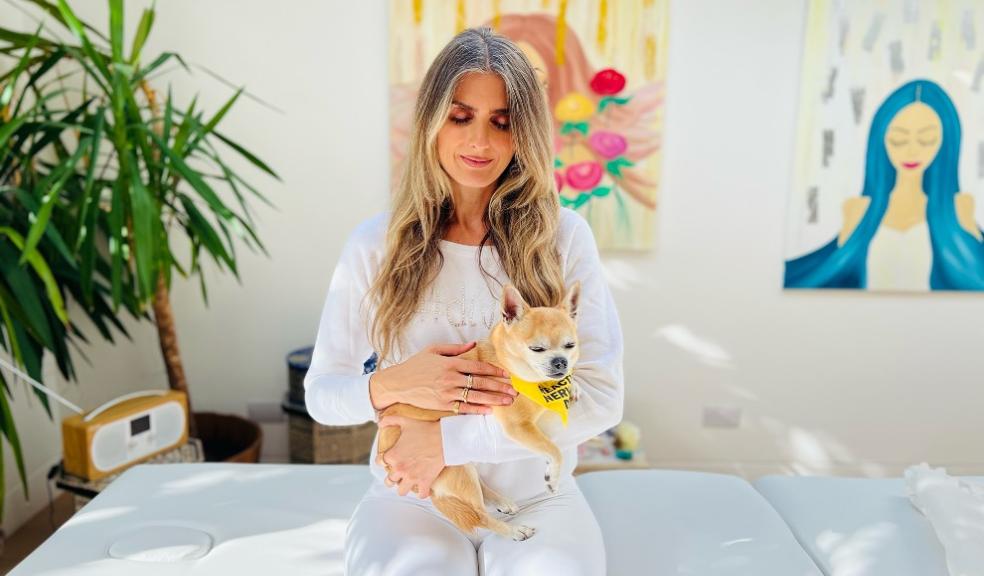
Conversations around stress, anxiety and emotional wellbeing are frequently focused on humans. But according to London-based canine anxiety expert and doggy Reiki Practitioner Yasmin El-Saie, our pets are experiencing many of the same pressures we are — and often in silence.
From yawns to ‘whale eye’, Yasmin reveals the subtle signs your dog may be struggling — and how to help.
“Dogs may not speak our language, but they’re always communicating,” she explains. “While we often recognise obvious signs of distress like barking, whining, or destructive behaviour, dogs also show subtle signs of stress that are easy to overlook.”
Behavioural shifts & signs your dog may be stressed include commonly missed indicators, such as yawning when not tired – often a response to nervousness or feeling overwhelmed, lip or nose licking – which is often a sign of self-soothing, pacing - especially in repetitive patterns, ‘whale eye’ – when the whites of the eyes become visible, sudden panting (without heat or exertion) or unexpected hair shedding, sudden avoidance behaviours or body language including crouched posture, pinned back ears and tucked tail.
Yasmin says, “These behaviours are often misread as disobedience or nothing to worry about, but in reality, they are communication. Dogs are constantly telling us how they feel — we just need to learn how to be better listeners.”
“Supporting a stressed dog is less about quick fixes and more about creating emotional safety and predictability to help them feel safer”.
Yasmin’s top recommendations include:
Creating a safe, quiet area for your dog to retreat to as needed.
Keeping your routine together as consistent as possible when it comes feeding, walks, and play time.
Using interactive toys and scent games to help with mental stimulation.
Using only calm, positive reinforcement instead of punishment.
Considering tools such as Thunder shirts, which apply gentle pressure to calm anxiety, or using pheromone diffusers designed to reduce your dog’s stress responses.
She also highlights the growing interest in holistic approaches: “Humans have been enjoying the benefits of Reiki and energy-based therapies for years, and these treatments can support our dogs too - with everything from anxiety & general wellbeing to helping to heal inflammation & aid recovery from operations,” Yasmin says, “these holistic practises can help support behavioural or veterinary care.”
(If stress appears severe or ongoing, she advises seeking professional guidance).
We should also consider the close bond we share with our pets, which mean they can mirror our own emotional states:
“Dogs are incredibly sensitive,” she explains. “They pick up on our stress, our body language, even our routines. Simple things— such as rushing to leave the house or feeling guilty about going out — can inadvertently signal to dogs that something is wrong, triggering their anxiety”.
With this in mind, Yasmin encourages dog owners to remain calm and consistent during departures, helping dogs understand that separation is normal and safe.
For Yasmin, her own mental health and her dog’s is a two-way street:
“There are so many wonderful things about sharing our lives with animals - community in big cities can be lost, but our dogs bring us together, get us outside in nature and help improve our moods. They provide unconditional love and remind us to slow down and find joy in simple things”.
Research supports this connection. Studies show that spending time with pets can reduce levels of cortisol, the body’s primary stress hormone, increasing feelings of calm and wellbeing.
Simple acts such as stroking a dog can lower heart rate and blood pressure, while daily dog walks encourage routine, outdoor time & movement— all of which are linked to improved mental health.
As Mental Health Awareness Week shines a spotlight on our wellbeing, Yasmin believes dogs deserve to be part of the conversation too:
“Stress isn’t just a human experience. When we learn to understand our dogs better, we don’t just improve their lives — we improve ours too.”