


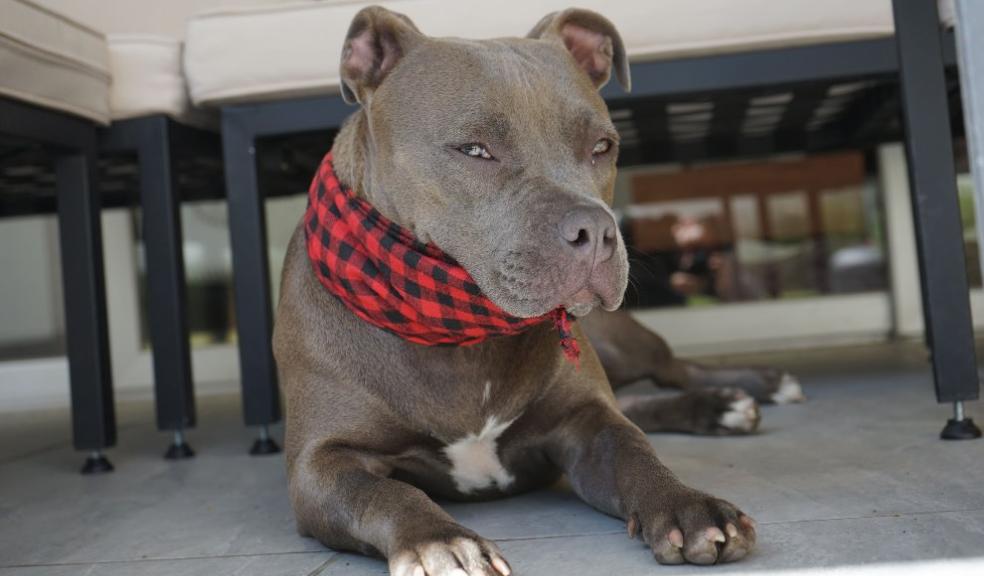
How to Choose the Right Bandana Size for Your Dog
Selecting bandana size for your canine may appear to be a relatively insignificant detail, however it belongs that could make a success or pass over on the subject of ease, safety and common sporting-artwork of your pet. No matter if your pup is sporting a bandana for ID, walks, holidays or just casual wear every day you want them to have the right fit. An over-tightened bandana can be painful, and one that is too loose can come off or present safety challenges as well.
In this guide, you will learn how to get your dog the appropriate bandana size through proper measurements, knowing what fit is good for your dog and tips that are practical while keeping the well-being of your furry friend a priority.
Why Bandana Size Matters
While we require a lot of dog owners to focus on the style or color of your bandana, they neglect sizing. That said, perhaps the most important consideration when choosing any dog accessory is size.
A properly sized bandana:
- Now, this gives your dog freedom of movement.
- The risk of neck irritation will be reduced.
- Supports a secure fit for walks and playtime.
- Prevents snagging or getting tangled up.
- Gives a more enjoyable wear experience.
A bandana that is too small can regularly shift, weaken the skin, or even make your dog comfortable enough to remove it. Remember: Sizing comes first, before any stylistic concerns.
Understanding Dog Neck Measurements
The best way to know for sure what size bandana fits your dog is by measuring his neck.
To do this:
- Use a flexible measuring tape.
- Measure it around the largest part of your dog's neck where a collar would normally go.
- Make sure the tape is not too tight but snug.
- Convert the measurement to inches = cm * 0.394, store in an array
A lot of pet experts suggest that the "two-finger rule" be used. Once you take the measurement, leave enough room to easily fit two fingers between the tape and your dog's neck. With the breathable fabric, it won't be a tight fit!
Common Measuring Mistakes to Avoid
There are some common mistakes which can make a wrong size selection:
- Pulling the tape too tightly.
- Estimating measurements without actually measuring.
- Choosing sizes only according to breed standards
- Ignoring thick or seasonal coats.
You have to realize that even same breed pups can have completely different necks, the direct measurement is the best one!
Things to Keep in Mind for Ideal Bandana Size
Dog Breed and Body Structure
While the breed is a good place to start, it's worth noting that body type varies widely in dogs.
A Bulldog's neck is, for instance, a great deal thicker than that of a similarly heavy Border Collie. Similarly, Greyhounds can have long tubes that often need a different fit than other breeds their size.
This is why neck circumference should always supersede any assumptions based on breed recognition.
Age and Growth Stage
One year give a ton of development as puppies create rapidly, especially through the primary year. A fitting bandana today can also become out of size in a matter of months too.
Owners of young dogs should:
- Measure regularly.
- Check fit every few weeks.
- Do not buy accessories based only on what you are size-wise IF you will be substantially bigger.
Coat Type
A bandana hopefully also depends upon a dog's coat.
And if you own a thick fur breed (like a Husky or Samoyed), you might need even more space than that since their neck width is the same as short-haired breeds with much larger necks. Seasonally, shedding can influence how tight or loose a bandana fits during the year.
General Bandana Size Categories
Sizing guidelines differ, but dog bandanas fall into four general categories.
Small Dogs
Typically suitable for:
- Chihuahua
- Yorkshire Terrier
- Maltese
- Pomeranian
Since these dogs normally possess smaller neck circumferences, they tend to find lightweight accessories more suited to their lighter frame.
Medium Dogs
- Examples include:
- Beagle
- Cocker Spaniel
- Border Collie
- Australian Shepherd
Medium-sized dogs are likely to have the broadest range of neck widths and therefore, getting a precise measurement is crucial.
Large Dogs
Common examples:
- Labrador Retriever
- Golden Retriever
- German Shepherd
Bigger dogs tend to need fuller sized bandanas – with longer lengths for adequate coverage and comfortable knot tying.
Extra-Large Dogs
Examples include:
- Great Dane
- Mastiff
- Saint Bernard
- Newfoundland
The modern breeds often require specially sized accessories due to their large neck circumference and overall body proportions.
Actual measurements should trump measures taken at breed averages, no matter which way category you are working with.
Various Bandana Designs and How They Suit Themselves
Tie-On Bandanas
Owners can also tie-on for more flexibility in adjusting the knot to ensure a comfortable fit.
They also serve as a practical choice for dogs whose dimensions are between regular size ranges.
Snap-On Bandanas
Snap closures are easy and reliable to use. But, limited adjustments in size mean that choosing right is more pertinent than ever.
Check the recommended neck size of every manufacturer before buying.
Over-the-Collar Bandanas
These bandanas slide right on an existing collar.
Besides the neck size, owners should also ensure that the opening can face off against a dog's collar width. It has a secure fit and restrains movement while active.
Signs a Bandana Fits Correctly
Understanding what a properly fitted bandana looks like and how it should feel can help prevent issues.
Indicators of a Good Fit
A properly fitted bandana should:
- Rest comfortably around the neck.
- Allow unrestricted movement.
- Remain in position throughout progressive establishments.
- Avoid bunching or twisting excessively.
Warning Signs of Poor Fit
Watch for:
- Visible tightness around the neck.
- Skin irritation or chafing.
- Excessive slipping.
- Constant adjustment by the owner.
- The dog kept trying to take it off.
These signs suggest that perhaps a reassessment of size is needed.
Consider Season: Selecting a Size
Summer
The important role of breathability is enhanced in warmer months.
Having a slightly looser fit will help ventilate and preserve some heat around the neck. During the warm summer months, lightweight fibres are usually more comfortable.
Winter
When seasons get chillier, plenty of the canines have thicker layers or wear jackets and sweaters.
The bandana must fit like a second skin and not provide pressure with other gears.
Safety Tips for Dog Accessories
To mitigate the stresses associated with working, such as stress-induced infections and obesity from a sedentary lifestyle, a great number of people have started to use Health And Fitness For Your Youngers: your first step.
Consider the following recommendations:
- Have your accessories checked from time to time for wear.
- Replace damaged items promptly.
- Observe your canine when you slice in certain fibers or leather.
- Take off accessories that you no longer put on correctly.
- Stick to Manufacturer Sizing Guidelines When Possible
Illustrative sources include educational sizing resources, such as those that 4inbandana provides and helps owners navigate around considerations in measuring what one needs to be aware of or look out for when acquiring dog bandanas.
Final Thoughts
When picking out a bandana size for your pup, there is far more to it than just choosing a cute print. We're taught that accuracy, comfort, and breedage coat type and season are all important to finding the best fit.
With the type of bandana and measurement for your dog's neck, he/she can enjoy it much more comfortably! An appropriately fitted bandanna will allow your dog to go about his/her daily activities without distraction or discomfort.
Err on the side of comfort vs. appearance and take measurements again regularly as your dog grows, ages or has a seasonal coat too! A little adjustment here and there can contribute heavily to the general comfort, behavioral issues of your dog.