

Creating a Feline-Friendly Home: Simple adjustments for your cat's health and wellness
Bringing a cat into your home is a wonderful experience. But making sure they are truly happy and healthy means more than just providing food and a warm place to sleep. To create a home where your feline friend will thrive, try to see the world through their eyes. Simple changes to your living space can significantly improve your cat's physical health and mental well-being, turning your house into a true sanctuary for them.
These changes don't require a complete renovation. Instead, they focus on meeting your cat's natural instincts for safety, play, and comfort, making sure they feel secure and stimulated in their territory.
Thinking Like a Cat: Understanding Their Needs
Before you start moving furniture, it helps to understand what a cat wants from its environment. Domestic cats, despite their cuddly nature, still follow the instincts of their wild ancestors. They are predators, but also prey animals, so feeling secure is central to their world. Your home is their entire kingdom, and they need to feel in control of it.
A happy cat has a territory that provides everything it needs to feel safe and engaged. This includes places to hunt (or play), eat, sleep, and hide without feeling threatened. When a cat's environment doesn't meet these needs, it can lead to stress, which might show up as unwanted behaviours like scratching furniture or avoiding the litter tray. Understanding essential components of a cat-friendly home is the first step toward creating a harmonious space for both you and your pet. It's all about giving your cat choices and control, letting them act on their natural instincts in a safe, indoor setting.
Creating a Safe and Secure Environment
Safety is a fundamental part of a cat-friendly home. Cats are famously curious, a trait that can sometimes get them into trouble. Start by doing a simple safety check of your home. Make sure windows and balconies are secure to prevent falls, especially in upper-floor flats. Tuck away loose electrical cords they might chew on, and check that your houseplants are non-toxic to cats. Popular plants like lilies, for example, can be extremely dangerous if eaten. Store cleaning products and human medications in secure cupboards.
Beyond hazard-proofing, every cat needs a private, safe space where they can retreat and feel completely undisturbed. This could be a covered bed, a cardboard box on its side, or even a designated spot inside a wardrobe with the door left ajar. This den is crucial for their sense of security, giving them a place to go when they feel overwhelmed or just need some alone time. Part of creating a secure environment also involves being prepared for the unexpected. Many owners look into options like cat insurance from Purely Pets to cover unforeseen vet bills. Knowing you have a plan for accidents or illness adds another layer of security for both you and your beloved companion.
Vertical Worlds: The Importance of Climbing and Hiding
Have you ever found your cat perched on top of the fridge or watching the room from the back of the sofa? This behaviour comes from a deep-seated instinct. In the wild, height offers a strategic advantage, providing a clear view of the surrounding territory and a safe vantage point away from potential threats on the ground. You can meet this need by creating a 'vertical world' for your cat inside your home.
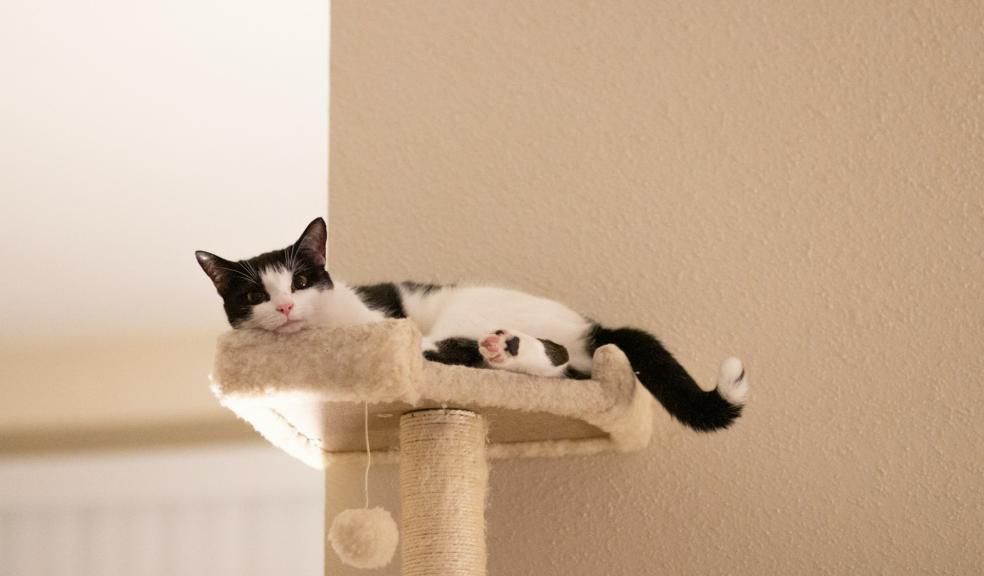
You don't need to sacrifice your decor to do this. A tall, sturdy cat tree with multiple perches and scratching surfaces is a fantastic all-in-one solution. You could also install dedicated cat shelves on a wall, creating a fun and stimulating climbing route. Even simple adjustments work wonders, such as clearing a space on a sturdy bookshelf or windowsill. These high-up spots become valuable real estate for your cat. Providing these spaces is a key part of making your home cat-friendly because it expands their territory upwards and gives them the option to observe family life from a safe distance, boosting their confidence and sense of security. Hiding spots are just as important, offering a place to decompress. A simple cardboard box or a cat tunnel can become a cherished private den.
Enrichment and Play: Keeping Your Indoor Cat Stimulated
An indoor life is the safest option for a cat, but it can also become boring without proper stimulation. A bored cat is often a stressed cat, which can lead to destructive behaviour or over-grooming. The key to a happy indoor cat is environmental enrichment that engages their mind and body, letting them express their natural predatory instincts.
Interactive play is one of the best ways to do this. Use wand toys with feathers or ribbons to mimic the movements of prey, encouraging your cat to chase, pounce, and 'hunt'. A couple of 10-15 minute sessions each day can do wonders for their physical and mental health. Puzzle feeders are another excellent tool for optimizing an indoor lifestyle. Instead of just putting their food in a bowl, making them work for it by batting a ball or solving a simple puzzle provides a rewarding mental challenge that mimics foraging. Rotate their toys regularly to keep things interesting. Remember that something as simple as a crumpled piece of paper or a bottle cap can provide hours of entertainment.
Resource Management: Food, Water and Litter Trays
The placement of your cat's essential resources, like food, water, and litter trays, can greatly affect their comfort and well-being. In a cat's mind, you don't eat where you go to the toilet. So, a common mistake is placing the food bowl right next to the litter tray. Always keep these areas separate, ideally in different rooms. It's also best to separate their food and water bowls, as cats can be reluctant to drink water that is too close to their food source.
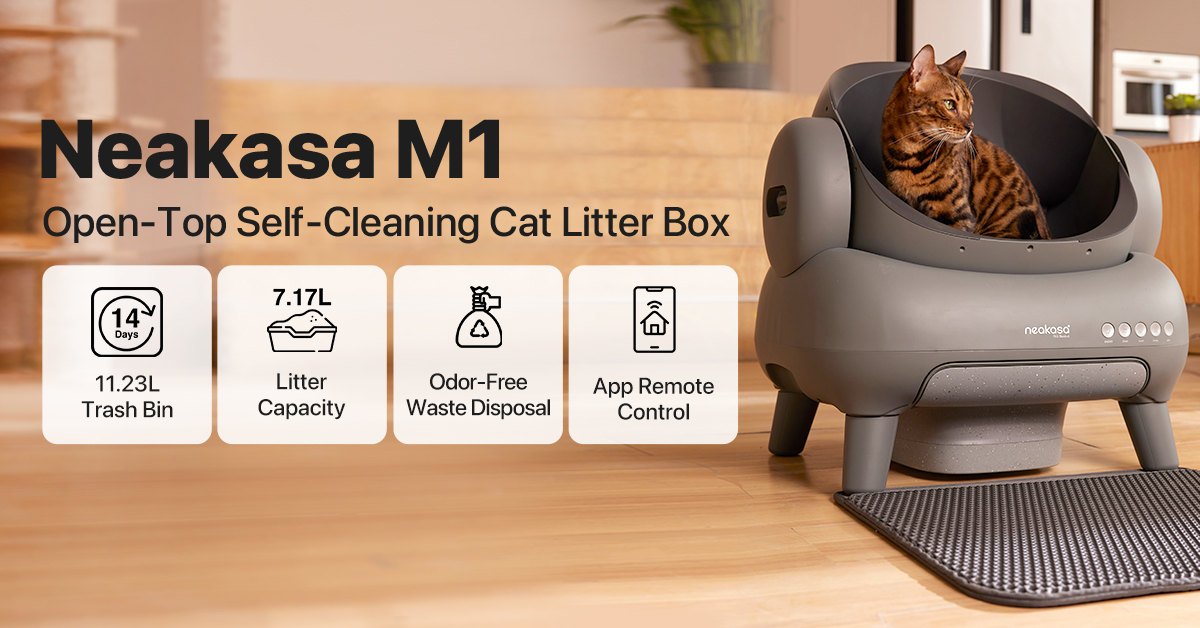
For litter trays, the golden rule is one per cat, plus one extra. This helps prevent competition and territorial disputes in multi-cat households. Place the trays in quiet, low-traffic areas where your cat will feel safe and won't be startled while using them. Avoid tucking them away in a noisy utility room next to the washing machine. For water, consider a cat fountain. The running water is often more appealing to cats than a static bowl, encouraging them to drink more and helping to support their kidney health. These small details align with general cat care advice and make a world of difference to your pet's daily comfort.
Respecting Their Senses: Sights, Sounds and Smells
Cats experience the world through a very different sensory lens than we do. Their hearing and sense of smell are far more acute. This means things that seem harmless to us can be overwhelming for them. Strong-smelling air fresheners, scented candles, and potent cleaning products can be unpleasant or even irritating for a cat's sensitive nose. Opt for unscented or pet-safe products where possible. You can introduce positive scents they will enjoy, such as by growing a small pot of cat grass or offering them catnip or silver vine.
When it comes to sound, try to provide a quiet area in the house where your cat can escape from loud noises like the television or vacuum cleaner. For visual stimulation, a secure spot by a window is like television for cats. A window perch or a cat tree placed with a view of the garden can provide endless entertainment as they watch birds, people, and leaves rustling outside. This simple feature provides crucial mental stimulation, preventing boredom and enriching their daily life without them ever having to leave the safety of home.
Making these adjustments shows a deep respect for your cat's nature. By thoughtfully arranging their environment, you're not just providing for their basic needs, but also nurturing their emotional and psychological health, ensuring your feline companion feels truly at home.