


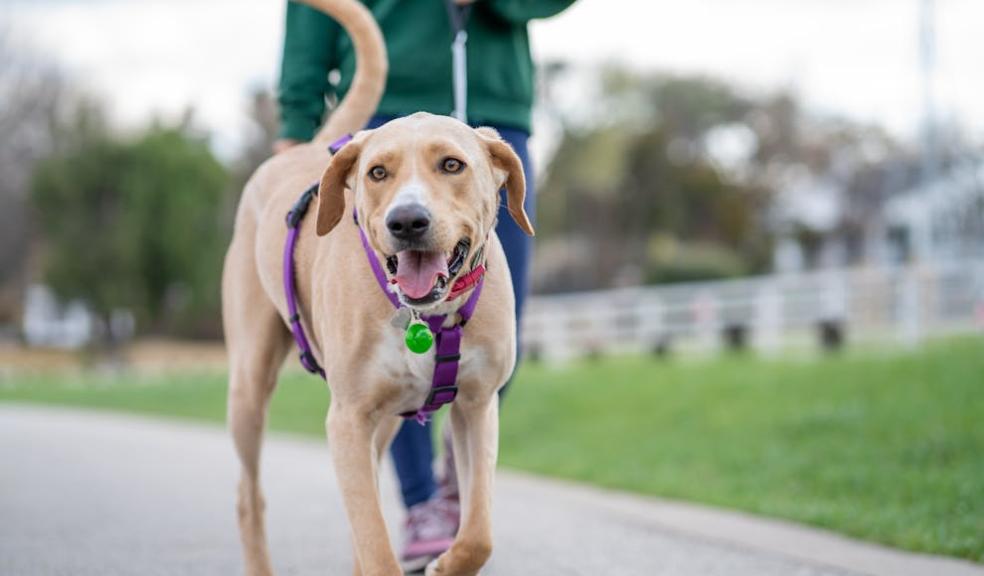
How the Clock Change Can Disrupt Your Dog’s Routine
With the clocks set to move forward at the end of the month, dog owners may notice small changes in their pets’ behaviour as routines shift overnight.
According to Jo Hinds, COAPE-Certified Behaviourist & Dynamic Dog Practitioner at Years, the fresh dog food subscription service, even a one-hour adjustment can affect feeding times, walks and sleep patterns for dogs that rely heavily on routine.
“Dogs are creatures of habit,” says Jo Hinds, COAPE-Certified Behaviourist & Dynamic Dog Practitioner at Years, a fresh dog nutrition brand focused on personalised feeding. “They don’t understand the concept of daylight saving time, so when feeding or walk times suddenly change by an hour, it can feel confusing for them. Some dogs may wake earlier, seem restless, or start asking for food before their owners are ready.”
The clocks in the UK will move forward on Sunday 29 March 2026, meaning mornings will be darker and evenings lighter.
Jo Hinds, COAPE-Certified Behaviourist & Dynamic Dog Practitioner at Years, says the shift can be particularly noticeable for dogs that follow very structured daily schedules.
“Dogs learn routines incredibly quickly. If breakfast normally arrives at 7am, their internal clock expects it. When that suddenly becomes 8am from their perspective, they can become impatient or unsettled.”
Signs Your Dog Is Adjusting to the Clock Change
Owners may notice small behavioural changes in the days following the time shift, including:
-
Waking earlier than usual
-
Asking for food earlier in the morning
-
Increased restlessness in the evening
-
Seeming slightly out of sync with walk times
“These behaviours are usually temporary,” Jo explains. “Most dogs settle within a few days once the new routine becomes consistent.”
Tips to Help Dogs Adjust to the Clock Change
Pet experts say small adjustments can make the transition easier.
Shift routines gradually
Move feeding and walk times by 10 to 15 minutes over a few days before the clocks change.
Keep exercise consistent
Regular walks help maintain structure and reduce restlessness.
Stick to familiar cues
Using the same bowls, walking routes and commands helps reinforce routine.
Avoid sudden feeding delays
If your dog is clearly expecting breakfast earlier, easing the transition over a few days can prevent frustration.
Maintain evening wind down habits
Consistent bedtime routines help dogs adapt to lighter evenings.
“Dogs thrive on predictable schedules,” Jo adds. “A few small adjustments can make the clocks changing far less confusing for them.”
Pet owners are also reminded that lighter evenings often mean longer walks and more outdoor activity for dogs, which can help them quickly settle into the new seasonal rhythm.