

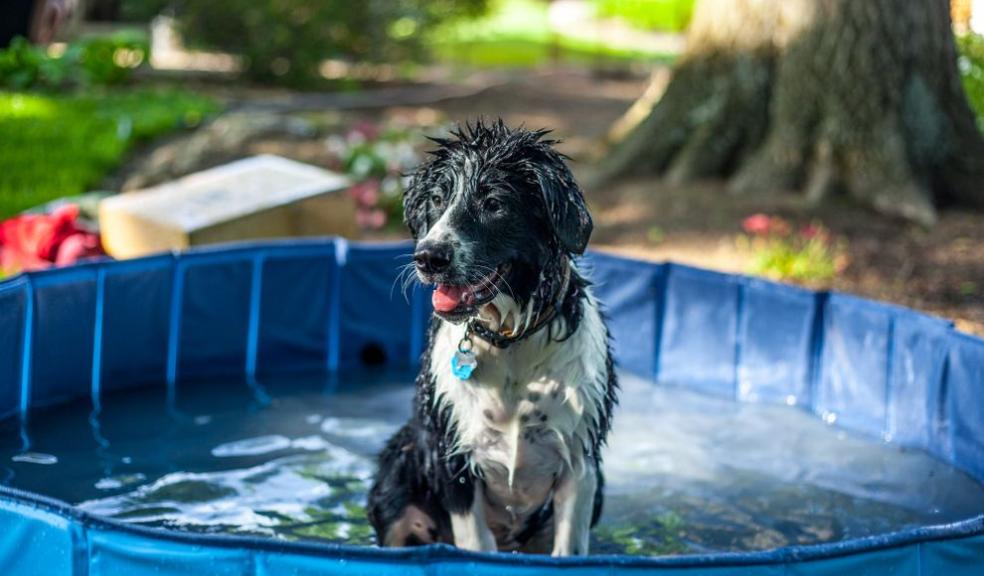
Expert Reveals Ways to Keep Dogs Cool During the Heatwave
From frozen carrots to cooling paws instead of soaking coats, a canine expert shares the tricks many owners don't know.
With temperatures climbing across the UK this week, many dog owners are reaching for bowls of ice water and cooling mats, but canine experts say some of the most effective ways to keep dogs comfortable are often the least well known.
Darren Beale, CEO of fresh dog food company Years, says while most owners know the basics, such as avoiding hot pavements and ensuring dogs have access to water, there are several lesser known techniques that can make a significant difference during periods of hot weather.
He said many people unintentionally make their dogs hotter by using methods that seem logical but can actually reduce their ability to regulate body temperature.
Darren Beale, CEO of Years, said: "Most owners know not to walk their dog in the middle of the day, but there are plenty of simple tricks that fly under the radar.
The biggest mistake people make is assuming the whole dog needs cooling. In reality, targeting areas like the paws, belly and inner thighs is often far more effective than soaking their entire coat.
Small changes around the home and during walks can make a real difference, particularly for older dogs, flat-faced breeds and overweight dogs that are more vulnerable to heat-related illness."
10 lesser known ways to help keep your dog cool
1. Cool the paws, not the whole dog
Rather than drenching your dog's back with cold water, gently cooling their paws, belly and inner thighs is often more effective. These areas have less fur, allowing heat to dissipate more efficiently.
2. Freeze their favourite toy
Many rubber toys can be placed in the freezer for a short time. Once chilled, they provide both enrichment and a gentle cooling effect while your dog chews.
3. Offer frozen vegetables
Frozen carrots, cucumber slices and green beans can provide hydration, a satisfying crunch and enrichment without adding unnecessary calories.
4. Create a cool room
Close curtains during the hottest part of the day and use a fan to circulate air in one room. Tile or hard floors naturally stay cooler than carpets and often become a dog's preferred resting place.
5. Let them dig
If you have a garden, allowing your dog to dig in a shaded area isn't always bad behaviour. Dogs often instinctively uncover cooler soil beneath the surface to regulate their temperature.
6. Use damp towels instead of ice packs
A cool, damp towel placed on the floor gives dogs somewhere comfortable to lie without exposing them to extremely cold temperatures that some may find uncomfortable.
7. Feed smaller meals
Digesting large meals generates body heat. During particularly hot days, splitting food into smaller portions may help some dogs feel more comfortable.
8. Freeze part of their dinner
Fresh dog food can be lightly frozen inside enrichment toys or lick mats to create a cooling activity that also slows down eating.
9. Keep sniffing games indoors
Mental stimulation can be just as tiring as physical exercise. Scatter treats around the house or use puzzle feeders during the hottest hours instead of taking longer walks.
10. Check the nighttime temperature
Many owners assume evenings are automatically safe, but on particularly warm days pavements and buildings continue radiating heat long after sunset. Waiting an extra hour can sometimes make a noticeable difference.
Beale says owners should also recognise the early warning signs of heat stress before they become emergencies.
"Heavy panting, excessive drooling, bright red gums, lethargy, wobbliness or vomiting should never be ignored. Dogs can deteriorate surprisingly quickly once they begin overheating.
If you suspect heatstroke, move your dog somewhere cool immediately, offer small amounts of water and contact your vet as soon as possible."
He added that prevention remains far safer than treatment.
"Every dog handles heat differently. Puppies, senior dogs, larger breeds and flat-faced breeds often struggle far sooner than owners expect, so it's always better to be cautious."