

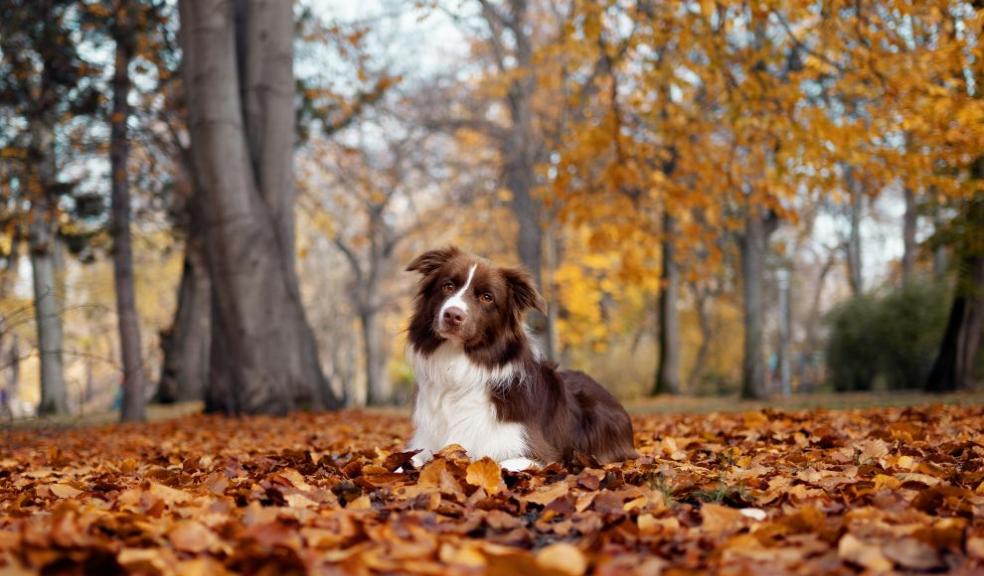
PDSA shares top tips to keep pets safe and healthy this autumn
PDSA shares top tips to keep pets safe and healthy this autumn
As the days get shorter and temperatures begin to drop, leading vet charity PDSA is reminding pet owners to take extra care of their four-legged friends as the seasons change.
From muddy walks and darker evenings to unpredictable weather and chilly nights, autumn can bring a number of challenges for pets. The vet charity for pets in need is sharing its top tips to help owners keep their animals safe, healthy and comfortable throughout the season.
PDSA is encouraging owners to make a few simple changes to their routines, from keeping pets visible on walks and preparing for stormy weather, to making sure outdoor pets have suitable shelter and warmth as temperatures fall.
Here are PDSA vet nurse Shauna Walsh's top tips for caring for pets this autumn:
Take extra care on autumn walks
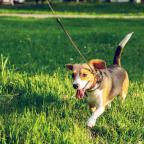
“Autumn is a lovely time to get outdoors with our pets, but muddy paths, fallen leaves and puddles can sometimes hide hazards.
“Remember to take a towel with you on walks so you can clean your dog’s paws and coat when you get home. Sharp stones and rubbish can be hidden in mud or beneath leaves, so check your dog’s paws for any cuts or injuries after a walk.
“It’s also important to be cautious around water. Blue-green algae can be highly toxic to pets and can quickly become fatal, so keep your dog away from any water with a blue-green layer on the surface. Muddy, stagnant puddles and ponds can also cause stomach upsets.
“Even when the weather feels cooler, dogs can still become thirsty during walks, so make sure you take fresh drinking water with you.”
Be prepared for darker evenings
“As the nights draw in, our usual walking routes can become much darker, which can make it harder for drivers and other pedestrians to see us and our dogs.
“Reflective accessories or lights attached to your dog’s collar, harness or lead can help them stay visible. It’s also a good idea to carry a torch and a fully charged mobile phone when heading out after dark.
“Cat owners should also think about their pets’ safety as daylight hours reduce, making sure they have a safe way to get home. If you have rabbits or other small pets living outdoors, remember to check on them regularly, particularly as the evenings get colder.”
Prepare for stormy weather
“Autumn weather can be unpredictable, with heavy rain and strong winds creating extra risks for pets.
“If a storm is forecast, try to walk your dog before the weather takes a turn for the worse. Cats should be kept indoors during storms where possible, while rabbits and other small pets should be moved to a safe, sheltered area if conditions become severe.
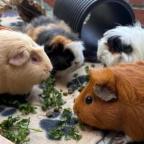
“Outdoor rabbits and guinea pigs are particularly vulnerable to heavy rain and standing water, so check their hutches and runs regularly to make sure they remain dry and safe. Avoid allowing them onto very wet or muddy ground.
“After strong winds, check your garden for hazards such as damaged fencing and fallen branches that could put your pets at risk.
“If you live in an area prone to flooding, keep an eye on weather warnings and have pet carriers, food and fresh water ready in case you need to leave your home at short notice.”
Keep outdoor pets warm and dry
“As temperatures begin to fall, it’s important to make sure all pets have somewhere warm, dry and comfortable to rest.
“Rabbits and other small pets living outdoors may need extra bedding and hay, suitable pet-safe heat pads and hutch covers to help protect them from the cold. Hutches should be raised off the ground, and runs should be positioned in dry areas to help prevent pets’ feet from becoming wet.
“Owners should also remember that switching on the central heating can encourage flea eggs in the home to hatch. If you’re concerned about fleas, speak to your vet about suitable preventative treatments for your pet and advice on treating your home.
“Making sure your pet has a warm bed or blanket and somewhere comfortable to relax can help them stay cosy as the weather changes.”
Help pets adjust to changing routines
“Autumn often brings a return to school and work routines after the summer holidays, which can be a difficult adjustment for pets who have become used to having their owners around more often.
“Some pets may struggle when left alone, so it’s important to prepare them gradually and provide suitable toys and activities to keep them occupied. Maintaining a consistent routine and ensuring they have a comfortable place to rest can also help.
“If your pet shows signs of distress when left alone, speak to your vet for advice on how best to support them.
“Changes in the season can affect our pets in different ways, so it’s important to keep an eye on their behaviour and wellbeing and make adjustments where needed.”
Be prepared for fireworks
“Fireworks can cause significant stress and anxiety for pets, so we encourage pet owners to keep their furry family members indoors during displays, close windows and curtains, and play music or the television to help muffle loud noises. Dogs should be walked during daylight hours where possible and kept on a lead, while cats should be kept safely indoors with access to hiding places. Small pets, such as rabbits and guinea pigs, should be provided with extra bedding and a secure, sheltered environment. Owners should also ensure their pets’ microchip details are up to date and seek advice from their vet if their animal experiences severe fireworks-related anxiety. Taking these simple precautions can help keep pets safe and settled throughout the autumn fireworks season.”
PDSA wants to empower pet owners with the knowledge and support they need to take preventative steps to protect their animals’ health and wellbeing, helping them enjoy a happy and healthy life throughout the year.
For more advice on caring for pets during the changing seasons, visit www.pdsa.org.uk/what-we-do/blog/caring-for-your-pet-in-autumn.