

Guinea Pig owners asked to give pets a ‘Piggy MOT’ this Awareness Week
The RSPCA has reported a 76% increase* on Guinea Pigs coming into its care in the last year - prompting the charity to urge owners to take part in a mass ‘Piggy MOT’ to mark Guinea Pig Awareness Week (26-30 October).
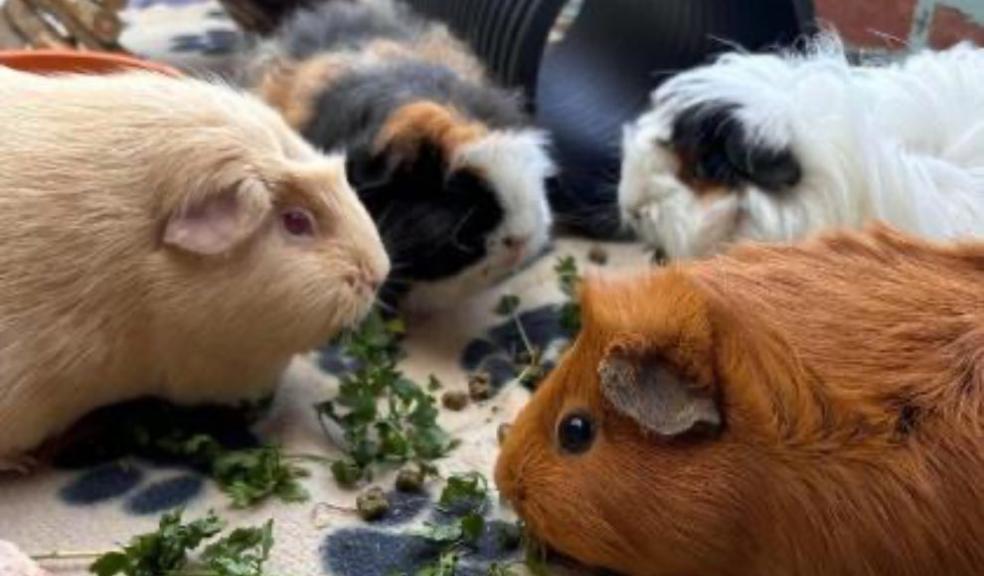
The theme of this year’s Awareness Week is Happy, Healthy Guinea Pigs, and focuses on the proactive healthcare and essential care requirements that every guinea pig needs - from the correct diet to environment, companionship, behaviour and regular health checks.
The charity is warning that the over-breeding of guinea pigs, combined with the ongoing impact of the cost of living crisis and a lack of knowledge from some owners about the needs of the species, is leading to an increase in the numbers of these pets being given up.
Additionally, RSPCA frontline officers are dealing with an almost 70% rise of reports involving 10 or more animals at a single address, over the last five years - which often include small furry animals like guinea pigs. These large-scale incidents - often involving dozens and even hundreds of animals - have put the RSPCA under unprecedented strain.
Last year, 419 guinea pigs were taken into RSPCA national centres in England and Wales - a rise of 181 when compared with the previous year. Even more were taken to the RSPCA’s network of independent branches - which are separately registered charities, meaning the total number is much higher.
Among last year’s incidents included 100 guinea pigs being removed from the same property. Separately, five guinea pigs were dumped in a nappy box at a Kent cemetery in June.
Earlier this year, a further 100 guinea pigs were removed from a different property. In May, two guinea pigs were found dumped by the roadside in Shrewsbury, sadly one had died.
Guinea Pig Awareness Week coincides with the RSPCA’s annual, month-long ‘Adoptober’ rehoming drive. Rescue staff are encouraging people to visit the RSPCA Find A Pet website and check out guinea pigs and other ‘small furry’ pets who are hoping for a loving forever home.
To help care for these misunderstood poets, anyone who cares for guinea pigs - including rescue centres and charities - can sign up to the Guinea Pig Alliance’s Big Pig Health Check initiative, and carry out a full check, using the guide, on October 30. More than 2,000 people have signed up to take on the challenge so far - and it is hoped many more will follow to help address the ongoing crisis.
The guide offers advice for checking signs that the small furries are unwell - as guinea pigs can mask pain and illness and it can be difficult to tell when they are under the weather. It includes checking changes in behaviour, their weight, changes in droppings and any unusual discharge from eyes, ears and their nose.
RSPCA Science and Policy Officer Eloise Dicks said: “Guinea pigs are wonderful, social animals with their own unique personalities, and every one of them deserves the chance to live a happy, healthy life. But the year-on-year increase in guinea pigs coming into our care is deeply concerning and highlights the importance of responsible ownership and understanding their needs.
“While guinea pigs are often thought of as great first pets for children, they are a big responsibility and a long-term commitment. They can live for five to six years or longer, and are active for up to 20 hours a day.
“Guinea pigs should never be kept alone. They thrive in single-sex same species pairs or groups, or with a neutered male and one or more females. Neutering males before they are housed with females is the best way to prevent unwanted litters.
“Providing the right diet, a suitable environment, companionship and opportunities to express natural behaviours are all essential to their welfare. Regular health checks are equally important, as guinea pigs can hide signs of pain or illness, meaning problems may go unnoticed until they become serious.”
And the RSPCA hopes the annual Awareness Week activities will nudge many owners into taking a “deep dive” into the health and wellbeing of their guinea pigs.
“During Guinea Pig Awareness Week, we’re encouraging owners and rescue centres to take a deep dive into the health and wellbeing of these often misunderstood pets. A simple check can help identify potential problems early, while taking the time to understand their needs can make a real difference to their quality of life.
“We’re also urging anyone thinking about getting guinea pigs to consider adoption and ensure they’re ready for the long-term commitment. By working together, we can help reduce the number of guinea pigs coming into rescue and give more of these lovely animals the happy, healthy lives they deserve.
“We really need help from animal lovers. If you are considering adding a pet to your home, please consider rescuing - and if you can’t adopt, could you consider fostering? We are working to increase our number of foster carers, as well as modernising our rehoming process, to try and get animals into loving homes sooner.
“We need extra special homes for some of our animals and we’re so grateful to anyone who can support our Adoptober campaign - be it through adopting or fostering, or sharing profiles of animals who need new homes.”
Prospective adopters can visit the RSPCA website to find their perfect match today.