

Dog owners warned their pet’s bowl could be one of the dirtiest items in the home
Years behaviour expert reveals how often dog bowls, toys and chews should be cleaned, and the hygiene mistakes owners may be making without realising.
Dog owners are being urged to rethink how often they clean their pet’s bowls and toys, as everyday items used by dogs can quickly become a breeding ground for bacteria, old food, saliva and dirt.
Jo Hinds, COAPE-certified behaviourist and Dynamic Dog Practitioner at Years, says many owners are careful about what they feed their dog, but may overlook the hygiene of the items their dog eats, drinks and plays with every day.
From food bowls left with residue between meals to soft toys carried around the house, dog items can collect bacteria, mud, dust, household germs and saliva, especially if they are shared between multiple dogs or used outdoors.
Jo Hinds, COAPE-certified behaviourist and Dynamic Dog Practitioner at Years, says:
“Dog bowls and toys are handled every day, but they are often not cleaned as often as other household items.
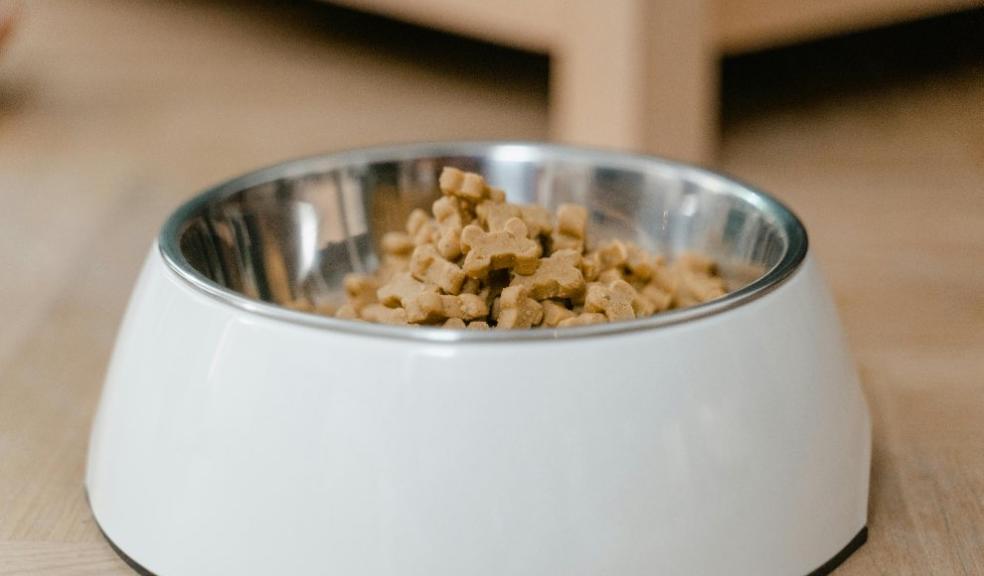
“A bowl may look empty after a dog has eaten, but that does not mean it is clean. Food residue, saliva and bacteria can remain on the surface, especially if the bowl is used for wet food, raw food or fresh food.
The same applies to toys. If a dog carries a toy outside, drops it on the floor, chews it daily or shares it with another dog, it needs regular cleaning.”
The hygiene mistake many dog owners make
According to Jo, one of the biggest mistakes is assuming dog items only need washing when they visibly look dirty.
She says: “If a bowl smells, feels slimy or has dried food around the edges, it has already gone too long between washes.
"Owners should not wait until something looks unpleasant before cleaning it. Dogs explore the world with their mouths, so their bowls and toys need to be treated as regular hygiene items, not afterthoughts.”
How often should dog bowls be cleaned?
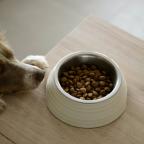
Jo recommends washing food bowls after every meal, especially if the dog eats wet, fresh or raw food.
Water bowls should be washed daily and refreshed with clean water regularly throughout the day.
Jo says: “A dog’s food bowl should be cleaned after every meal, just as you would wash your own plate after eating.
"Water bowls can also develop a film or residue, particularly if they are left out all day. They should be washed daily, not just topped up.”
How often should dog toys be cleaned?
The cleaning frequency depends on the type of toy, how often it is used, and whether it has been outdoors.
Jo recommends:
Soft toys
Wash weekly if used regularly, or sooner if they smell, look dirty, have been outside or are heavily chewed.
Rubber toys
Wash several times a week, especially if used with food, treats or enrichment pastes.
Food puzzle toys
Clean after every use, as leftover food can get trapped in grooves and corners.
Rope toys
Wash regularly and replace when frayed, dirty or difficult to clean properly.
Outdoor toys
Clean after outdoor use, particularly if they have been in mud, grass, standing water or shared spaces.
Chews and long-lasting toys
Check daily for damage, dirt build-up and trapped food.
Jo says: “Anything that holds food should be treated like a food bowl. Puzzle feeders, lick mats, treat bags, kongs and treat toys need cleaning after each use because food can sit inside small spaces and become unhygienic very quickly.”
The signs your dog’s bowl or toy needs cleaning immediately
Jo says owners should clean or replace dog items if they notice:
- A sour or stale smell
- Slimy residue in the water bowl
- Dried food stuck to the edges
- Discolouration or staining
- Dirt or mud on toys
- Fraying or broken toy parts
- Black spots or mould-like marks
- Toys becoming sticky or tacky
- Multiple dogs sharing the same item
Jo adds: “If a toy cannot be cleaned properly, it may be time to replace it. Owners should also regularly check for damage, as broken toys can become a choking or swallowing risk.”
Why toy hygiene can affect behaviour too
Jo explains that hygiene is not only about cleanliness, but also about how safe and suitable a dog’s environment feels.
Dirty bowls, damaged toys or old chews can cause discomfort to the gut or teeth, resource guarding issues or changes in how a dog interacts with food and play.
Jo says: “Dogs can become very attached to certain toys or chews, but that does not mean they should keep them forever.
"If a toy is dirty, damaged or unsafe, it can create problems. Some dogs may start guarding high-value items, especially if old food smells remain on them. Others may chew more intensely if a toy begins to break apart risking injury to the mouth and teeth.
"Keeping toys clean with a dog safe washing detergent and rotating them sensibly helps maintain safe, positive play.”
The dog bowl mistake owners make with water
Jo says many owners top up water bowls without washing them first.
She explains: “Water bowls can develop a slimy layer that owners may not notice straight away. If you only keep topping up the bowl, you are not removing that build-up. This can be a build-up of bacteria, yeast and biofilm
"Empty it, wash it properly, rinse it well, and then refill it with fresh water.”
Should dog bowls go in the dishwasher?
Jo says many stainless steel, ceramic and dishwasher-safe bowls can be cleaned in the dishwasher, but owners should always check the manufacturer’s guidance first.
She adds: “Dishwashers can be helpful, but bowls still need checking properly. Cracks, chips and scratches can harbour bacteria, so damaged bowls should be replaced.
"Plastic bowls are more likely to scratch over time, which can make them harder to clean thoroughly. Stainless steel is often a practical option because it is durable and easier to keep hygienic, but some dogs can struggle with the reflections”
Jo Hinds’ hygiene checklist for dog owners
Wash food bowls after every meal
Do not leave food residue sitting between feeds.
Wash water bowls daily
Topping up is not the same as cleaning.
Clean food toys after each use
Lick mats, puzzle feeders and treat toys should be cleaned like bowls.
Wash soft toys weekly
Clean sooner if they have been outdoors, smell or are heavily chewed.
Clean outdoor toys after use
Mud, public spaces and standing water can all carry germs.
Check toys for damage daily
Frayed, cracked or broken toys should be repaired, cleaned properly or replaced.
Rotate toys
This keeps play interesting and makes it easier to clean items properly.
Use pet-safe cleaning products
Rinse thoroughly so no residue is left behind.
Jo Hinds, COAPE-certified behaviourist and Dynamic Dog Practitioner at Years, says: “Dog owners put a lot of thought into nutrition, training and enrichment, but hygiene is part of that same picture.
"A dirty food bowl, a slimy water bowl or a toy that has been chewed, dragged outside and left on the floor for weeks is not something most owners would want near their own mouth, yet dogs interact with these items every day.
"The key is routine. Food bowls should be washed after meals, water bowls daily, and toys according to how they are used. Anything that holds food needs cleaning after every use.
"Owners should also remember that toys are not meant to last forever. If a toy is damaged, smells, has trapped dirt or cannot be cleaned properly, replacing it is the safer choice.
"Good hygiene does not need to be complicated. It is about building small habits that protect your dog’s health, comfort and safety at home.”