


Heatwave Warning as Heat Stroke Claims Rise Nearly 60% and Dehydration Cases Surge
As the heatwave returns, pet insurer Waggel is urging owners to take extra precautions to keep their pets cool after claims data revealed a significant rise in heat-related illnesses among pets in the last two years.
Analysis of Waggel claims from 2024 - 2026 found that heat stroke claims went up almost 60% last year as a proportion of claims. At the same time, dehydration claims went up 440% between 2024 and 2025. In the last month alone, there have been 10 serious cases of dehydration, amounting to £5,000 in vet fees, with more expected to come in the following weeks as temperatures surge.
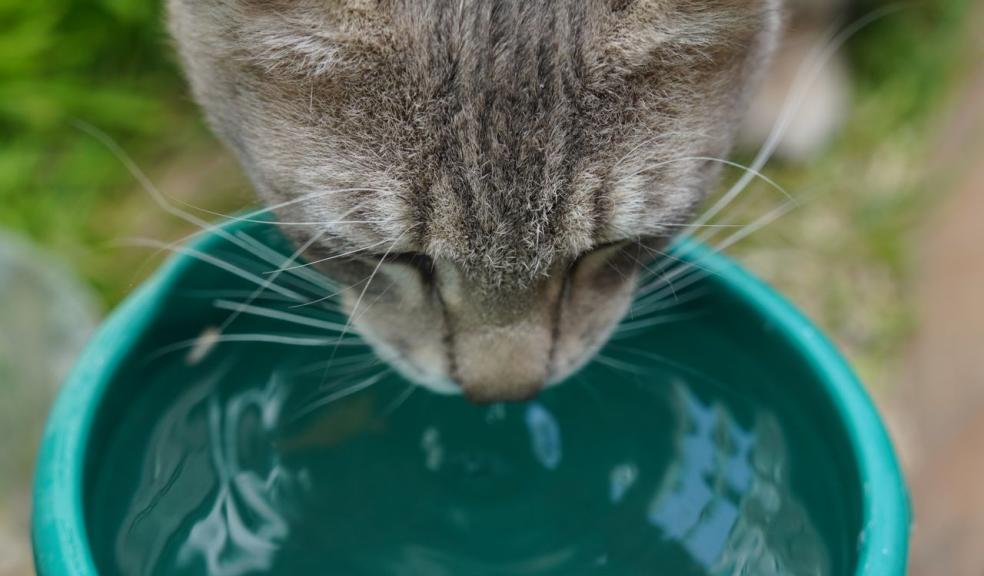
While dogs are often considered most at risk during periods of hot weather, Waggel's data suggests cat owners should also be vigilant. Of the 27 dehydration claims received in 2025, 13 involved cats, meaning almost half (48%) of all dehydration claims related to feline patients.
Henri Dowling, Waggel CEO, said: "Heat-related illnesses can develop much more quickly than many owners realise. Our claims data showed a clear increase in both heat stroke and dehydration cases during the UK's warmest year on record last year. With temperatures rising again this summer, we're encouraging owners to take simple precautions to help keep their pets safe and comfortable during hot weather."
Dogs are particularly vulnerable to heat-related illness, especially older pets, overweight animals and flat-faced breeds such as French Bulldogs, Pugs and Bulldogs.
Vet identifies symptoms of heatstroke:
Waggel vet Aimee Warner warns: "Pets, particularly ones in the UK who are not used to such high temperatures, are not great at dealing with extreme heat. With temperatures set to reach up to 40 degrees it's important to make a hot weather plan for your pets - make sure they have access to cool spots and fresh water and check on them regularly.
“My biggest point would be to not exercise your dog at all during the day. First thing in the morning before it gets hot is the safest time. Evenings are often still extremely hot especially in built up areas so are still dangerous. Cats can often be reluctant to drink water so test different ways to get them to drink like using a cat fountain, adding water to their wet food or even letting them drink from the kitchen sink.
“Heatstroke and dehydration can be fatal and come on quickly so if you do spot any of the warning signs it's important to speak to your vet immediately."
Early signs of heat stress may be subtle, and it is important to know what is normal for your dog or cat.
In increasing order of severity, the signs to look out for include:
- Becoming anxious, whining or trembling
- Faster and heavier panting than normal
- Excessive drooling or increased thirst
- Increased heart rate
- Elevated rectal temperature, over 40°C (104°F)
- Deep red or purple gums that feel dry when touched
- Vomiting and diarrhoea
- Mental dullness or glassy eyes
- Weak and wobbly
- Difficulty breathing and collapse, which may progress to seizures
- Loss of consciousness
As temperatures remain high, Waggel is encouraging owners to stay vigilant and take preventative measures to reduce the risk of heat-related illness throughout the summer.