


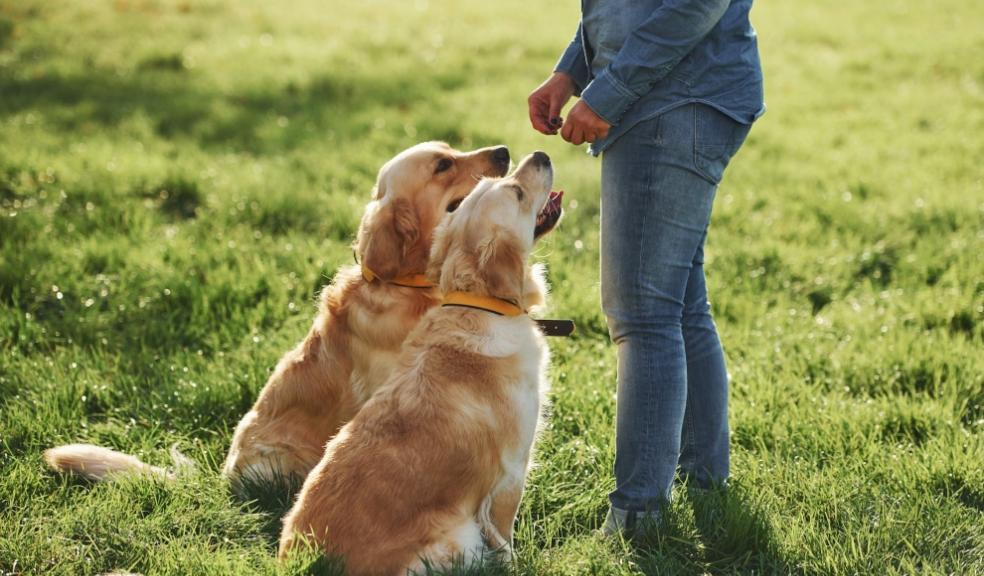
Experts share recall training tips as countryside walks increase the risk of attacks on livestock and wildlife
Dog training experts share recall training tips as summer countryside walks increase the risk of attacks on livestock and wildlife
As UK staycations and countryside walks become increasingly popular over summer, dog owners are being urged to ensure their pets have a reliable recall before exploring rural areas where livestock and wildlife may be put at risk.
With more people enjoying countryside walks in the warmer months, and livestock such as sheep, cattle and horses grazing in fields across the UK, dog training experts have shared six simple ways owners can improve recall and keep their pets under control.
The advice comes as police and conservation groups continue to warn about dogs chasing sheep and disturbing wildlife in the summer, including ground-nesting birds and their young, after being allowed off lead.
The warning also follows an NFU Mutual survey which found that 57% of dog owners let their dogs off lead in rural areas, while one in 10 admitted their dog has no recall.
The need for reliable recall has become even more important following new livestock protection laws introduced earlier this year. Under the Dogs (Protection of Livestock) (Amendment) Act 2025, which came into force in England and Wales on 18 March 2026, protections were extended to animals including llamas and alpacas, while police were given greater powers to seize dogs and collect DNA evidence. Owners found responsible for livestock attacks can now face unlimited fines and, in some cases, have their dogs removed.
With tougher consequences in place, dog training experts at ACME Kennels say the summer months are an important time for owners to ensure their dogs respond reliably when called and remain under control before being allowed off lead in the countryside, where livestock and wildlife may be nearby.
Ben McFarlane, dog training expert at ACME Kennels, said: "Summer is a busy time for countryside walks, with more people heading outdoors with their dogs or enjoying UK staycations, but it is also when livestock and wildlife can be particularly vulnerable.
“Even well-behaved dogs can instinctively chase animals if something catches their attention, so owners must ensure their dogs are always under control, especially when exploring unfamiliar areas on holiday where they may not know about livestock nearby.
“The new livestock protection laws are a reminder that failing to do so can have serious consequences, including fines and penalties for owners. If your dog doesn't have a reliable recall, it shouldn't be off lead around livestock- ultimately, before letting a dog off the lead this summer, owners should be confident they will return when called.
“Good recall takes patience and practice, but it is one of the most important skills you can teach to keep dogs, livestock and other countryside users safe because it isn't just a trick, it's a safety skill.”
According to ACME Kennels, most dogs can develop a dependable recall within three to six months, depending on their age and previous training, with regular positive practice.
Six ways to improve your dog's recall, according to training experts at ACME Kennels:
- Start training early
Puppies often learn recall more quickly, but older dogs can also develop reliable recall through consistent practice.
- Keep dogs on a lead until recall is reliable
A long training lead allows dogs to explore while owners remain in control, reducing the risk of them approaching livestock.
- Practise in different environments
Gradually introducing more distractions helps dogs learn to respond reliably before they are trusted off lead in the countryside.
- Reward every successful recall
Using treats, praise or toys helps dogs associate returning to their owner with positive outcomes, making them more likely to respond in the future.
- Use a consistent command or whistle
Using the same cue every time helps avoid confusion. A whistle can be particularly effective because it carries further than a voice and sounds the same every time.
- Never punish your dog for returning too slowly
Even if a dog is slow to come back, owners should avoid punishment, as this can create negative associations with recall and make future responses less reliable.
For more information and training tips visit ACME Kennels.