


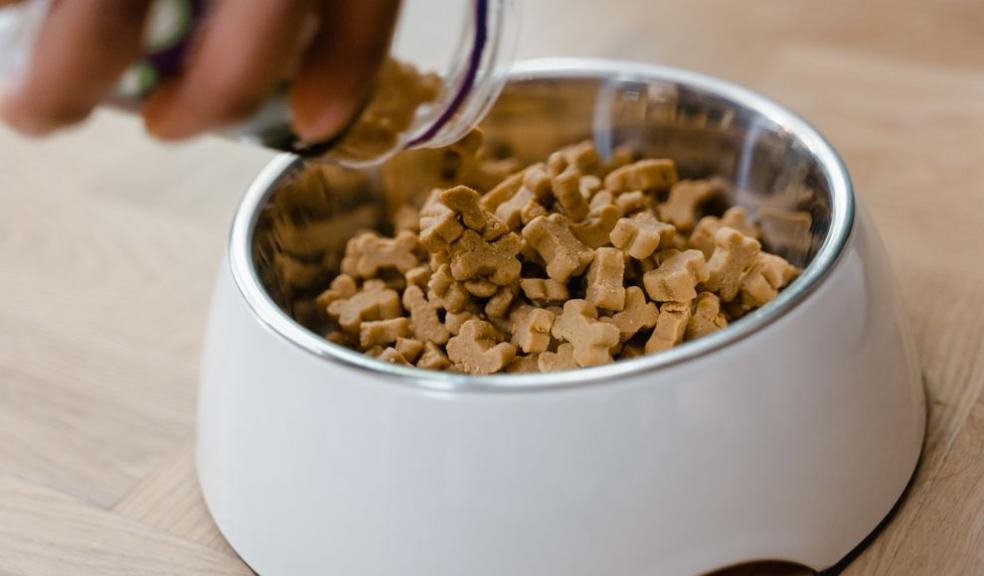
Taurine in Dog Nutrition: Synthesis Requirements and Dietary Considerations
Taurine plays a critical but often overlooked role in canine cardiovascular health, yet the mechanisms governing its synthesis and deficiency remain incompletely understood. While dogs possess endogenous taurine synthesis capabilities unlike obligate carnivores such as cats, emerging research demonstrates that certain breeds, dietary formulations, and metabolic factors can compromise this biosynthetic pathway, leading to dilated cardiomyopathy and other health complications.
According to recent veterinary cardiology studies, nutritional DCM cases have increased alongside shifts in commercial dog food formulations, particularly those featuring legume-based proteins and grain-free compositions. Understanding which dogs face elevated risk and why taurine metabolism fails in specific contexts is essential for informed dietary management.
Taurine Biosynthesis and Endogenous Production in Canines
Unlike cats, who require dietary taurine as an essential amino acid, dogs synthesise taurine endogenously from the sulfur-containing amino acids methionine and cysteine. This biosynthetic pathway occurs primarily in the liver and involves the enzymatic conversion of cysteine to cysteinesulfinic acid, followed by decarboxylation to hypotaurine and oxidation to taurine.
However, this endogenous production is not universally sufficient. According to a 2024 study published in the Journal of Veterinary Internal Medicine investigating English Cocker Spaniels, breed-specific variations in taurine metabolism suggest genetic or physiological differences that render certain dogs more vulnerable to depletion despite normal dietary intake.
Several factors influence endogenous taurine synthesis efficiency:
|
Factor |
Impact on Taurine Synthesis |
Clinical Significance |
|---|---|---|
|
Dietary protein source |
Legume proteins may reduce bioavailability |
Associated with lower plasma taurine |
|
Bile acid metabolism |
Taurine conjugation depletes reserves |
High-fibre diets increase faecal loss |
|
Methionine/cysteine intake |
Precursor limitation reduces synthesis |
Low-quality proteins insufficient |
|
Breed-specific genetics |
Altered enzyme activity or requirements |
Golden Retrievers, Cockers at higher risk |
|
Gut microbiome composition |
Bacterial degradation in intestines |
Legumes alter microbial populations |
The interplay between dietary composition and metabolic capacity is not straightforward. According to researchers at UC Davis School of Veterinary Medicine, the mechanism behind diet-associated DCM is not solely taurine deficiency but may involve bile acid metabolism, carnitine regulation, and fibre-related nutrient interactions.
Breed Predispositions to Taurine-Related Dilated Cardiomyopathy
Dilated cardiomyopathy is not uniformly distributed across dog breeds. While DCM occurs as a primary genetic condition in large-breed dogs such as Doberman Pinschers and Boxers, a distinct subset of breeds demonstrates heightened susceptibility to taurine-deficiency-related DCM, even when consuming commercially balanced diets.
According to a comprehensive 2020 review in the Journal of Veterinary Internal Medicine, breed predispositions to taurine deficiency include:
High-Risk Breeds:
- Golden Retrievers
- Newfoundlands
- English Cocker Spaniels
- American Cocker Spaniels
- English Setters
- Labrador Retrievers
These breeds demonstrate lower baseline taurine concentrations or inadequate compensatory synthesis when dietary factors compromise availability. A 2003 study documented in PMC demonstrated that Golden Retrievers fed commercial diets developed taurine deficiency and subsequent DCM at rates significantly higher than other breeds, suggesting possible genetic or metabolic differences.
|
Breed |
Baseline Taurine Status |
DCM Risk with Deficiency |
Dietary Sensitivity |
|---|---|---|---|
|
Golden Retriever |
Lower plasma levels |
Very High |
Grain-free, legume-rich |
|
Cocker Spaniel |
Variable, often low |
High |
Grain-free formulations |
|
Newfoundland |
Reduced synthesis capacity |
High |
Low methionine diets |
|
Labrador Retriever |
Moderate |
Moderate-High |
Legume proteins |
|
Mixed breeds |
Variable |
Low-Moderate |
Context-dependent |
The breed-specific nature of this vulnerability is not entirely explained by genetics alone. According to the 2024 CURE project investigating English Cocker Spaniels, predisposing factors include body weight, sex, and specific dietary patterns, indicating multifactorial aetiology.
Dietary Factors Influencing Taurine Status and Cardiovascular Health
The association between grain-free, legume-based dog foods and dilated cardiomyopathy emerged as a significant veterinary concern following FDA investigations beginning in 2018. While initial hypotheses centred on taurine deficiency as the sole mechanism, subsequent research has revealed more complex nutritional interactions.
Dietary components affecting taurine status:
- Legume proteins (peas, lentils, chickpeas): These ingredients may reduce taurine bioavailability through altered gut microbiota, increased fibre-mediated bile acid excretion, and potentially inadequate sulfur amino acid profiles.
- Fibre content: High dietary fibre increases faecal bile acid excretion. Since taurine conjugates with bile acids for digestion, excessive loss depletes systemic reserves.
- Protein quality and source: Animal-based proteins provide preformed taurine and higher concentrations of methionine and cysteine precursors compared to plant-based sources.
- Carbohydrate source: According to a 2025 18-month prospective study published in the Journal of Animal Science, different carbohydrate sources—including grain-free diets with potatoes and peas versus grain-inclusive formulations—showed no differences in cardiac function when diets were properly balanced. Whole blood and plasma taurine levels remained within normal ranges across all diet types.
This is not to suggest all grain-free diets are problematic. Rather, formulation quality, protein sources, and amino acid balance determine nutritional adequacy.
|
Dietary Pattern |
Taurine Impact |
DCM Association |
Evidence Quality |
|---|---|---|---|
|
Legume-heavy, grain-free |
Potentially lower plasma levels |
Moderate association |
Multiple retrospective studies |
|
Grain-inclusive, animal protein |
Generally adequate |
Low association |
Long-term feeding trials |
|
Balanced grain-free |
Adequate when formulated properly |
Low association |
Recent prospective trials |
|
Home-cooked, unbalanced |
Variable, often deficient |
High risk if unbalanced |
Case reports |
According to a 2021 Scientific Reports study using foodomics analysis to investigate diet-associated DCM, the mechanisms remain unclear and likely involve multiple nutritional pathways beyond taurine alone.
Clinical Recognition and Diagnostic Considerations
Taurine deficiency in dogs is not a condition that manifests with pathognomonic signs. Instead, clinical presentation typically reflects the cardiovascular consequences of prolonged depletion—dilated cardiomyopathy—which may remain subclinical until advanced stages.
Clinical manifestations of taurine-deficiency DCM:
- Exercise intolerance and lethargy
- Respiratory difficulty (dyspnoea, tachypnoea)
- Coughing, particularly at night
- Abdominal distension (ascites)
- Syncope or collapse episodes
- Cardiac arrhythmias
Diagnostic approach:
According to veterinary cardiology protocols, diagnosis involves:
- Plasma and whole blood taurine measurement: Whole blood taurine concentration is considered more reliable than plasma alone. Reference ranges vary by laboratory, but concentrations below 200-250 nmol/mL in whole blood suggest deficiency.
- Echocardiographic assessment: Dilated cardiomyopathy is characterised by left ventricular dilation, reduced fractional shortening, and systolic dysfunction.
- Dietary history evaluation: Comprehensive assessment of current and historical diets, including ingredient analysis and feeding duration.
- Breed consideration: High-risk breeds warrant lower diagnostic thresholds.
|
Diagnostic Test |
Normal Range |
Deficiency Threshold |
Interpretation |
|---|---|---|---|
|
Whole blood taurine |
>250 nmol/mL |
<200 nmol/mL |
More reliable than plasma |
|
Plasma taurine |
>60 nmol/mL |
<40 nmol/mL |
Can miss deficiency |
|
Echocardiography |
FS >25%, normal chamber size |
FS <20%, LV dilation |
Indicates cardiac dysfunction |
|
Response to supplementation |
N/A |
Clinical improvement in 3-6 months |
Suggests nutritional aetiology |
Many affected dogs demonstrated clinical and functional improvement with dietary changes and taurine supplementation, suggesting nutritional DCM is potentially reversible when identified early.
Nutritional Management and Supplementation Strategies
For dogs diagnosed with taurine deficiency or diet-associated DCM, management involves both dietary modification and targeted supplementation. The reversibility of nutritional DCM distinguishes it from genetic forms, making early intervention particularly valuable.
Dietary modification recommendations:
- Transition to animal-protein-based formulations: Diets featuring meat, poultry, or fish as primary protein sources provide preformed taurine and superior amino acid profiles.
- Avoid legume-dominant formulations: While not inherently harmful, diets where peas, lentils, or chickpeas constitute primary protein sources may compromise taurine status in susceptible breeds.
- Ensure adequate methionine and cysteine: These sulfur amino acids serve as taurine precursors and should be present in sufficient quantities.
Taurine supplementation protocols:
According to veterinary cardiology guidelines, supplementation dosing varies by body weight:
|
Body Weight |
Taurine Dose |
Frequency |
Duration |
|---|---|---|---|
|
<25 kg |
500-1000 mg |
Twice daily |
Minimum 3-6 months |
|
25-40 kg |
1000-2000 mg |
Twice daily |
Minimum 3-6 months |
|
>40 kg |
2000-3000 mg |
Twice daily |
Minimum 3-6 months |
Taurine supplementation demonstrates excellent safety profiles with minimal reported adverse effects. According to follow-up studies, many dogs with diet-associated DCM showed echocardiographic improvement within 3-6 months of dietary change and supplementation.
Monitoring and prognosis:
- Repeat echocardiography at 3-month intervals
- Recheck taurine levels after 6-8 weeks of intervention
- Cardiac medications (ACE inhibitors, pimobendan) may be necessary alongside nutritional therapy
- Long-term dietary compliance is essential
For dog owners seeking evidence-based nutrition, plant-based dog food formulations can be nutritionally complete when properly formulated with taurine supplementation and balanced amino acid profiles to support cardiovascular health.
Emerging Research and Future Considerations
The landscape of canine taurine research continues to evolve, with several important questions remaining unanswered. While the association between certain dietary patterns and DCM is established, causative mechanisms require further elucidation.
Current research directions:
According to a 2025 narrative review in Animals journal, ongoing investigations focus on:
- Gut microbiome interactions: How specific ingredients alter microbial populations and their impact on taurine degradation and bile acid metabolism.
- Breed-specific genetic variations: Identifying genetic markers that predict taurine synthesis capacity and DCM susceptibility.
- Long-term safety of novel ingredients: Prospective studies examining new protein sources and processing methods.
- Carnitine and taurine interplay: Understanding how these nutrients interact in cardiac function and whether combined deficiencies amplify risk.
A 2022 retrospective survey published in Frontiers in Animal Science examined the incidence of canine dilated cardiomyopathy at referral institutes relative to grain-free pet food sales, finding correlations that support dietary influence but stopping short of establishing definitive causation.
Practical implications for dog owners:
- Choose diets from manufacturers with veterinary nutritionist consultation
- Prioritise animal-based protein sources for at-risk breeds
- Monitor for early signs of cardiac disease
- Maintain regular veterinary check-ups for predisposed breeds
- Consider taurine testing for high-risk breeds even without symptoms
For those exploring alternative protein sources, properly formulated plant-based diets with adequate taurine supplementation can support canine health when designed with comprehensive amino acid profiles.
Frequently Asked Questions
What are the symptoms of taurine deficiency in dogs?
Taurine deficiency typically manifests through dilated cardiomyopathy symptoms including exercise intolerance, breathing difficulties, coughing, lethargy, and in advanced cases, collapse or abdominal swelling from fluid accumulation. Many dogs show no obvious symptoms until cardiac dysfunction is significant, making breed-based screening important for at-risk dogs.
Can all dogs synthesise taurine or do some require dietary sources?
Unlike cats who cannot synthesise taurine, all dogs possess the enzymatic pathways to produce taurine from methionine and cysteine. However, certain breeds—particularly Golden Retrievers, Cocker Spaniels, and Newfoundlands—demonstrate inadequate synthesis capacity or elevated requirements, effectively making them dependent on dietary sources despite having functional biosynthetic enzymes.
Is grain-free dog food dangerous for cardiovascular health?
Grain-free diets are not inherently dangerous when properly formulated. According to recent prospective studies, balanced grain-free formulations with adequate protein quality, amino acid profiles, and taurine content support normal cardiac function. The concern arises specifically with legume-heavy formulations that may compromise taurine bioavailability in susceptible breeds, not the absence of grains per se.
How long does taurine supplementation take to improve DCM symptoms?
Many dogs with diet-associated DCM show echocardiographic improvement within 3-6 months of dietary modification and taurine supplementation. According to clinical follow-up studies, fractional shortening typically improves first, followed by gradual reduction in chamber dilation. Some dogs require concurrent cardiac medications, and not all cases achieve complete reversal, particularly if detected late.
Should I have my dog's taurine levels tested if they eat grain-free food?
For high-risk breeds (Golden Retrievers, Cocker Spaniels, Newfoundlands) consuming legume-based or grain-free diets, baseline taurine testing is reasonable even without symptoms. For other breeds without risk factors, testing is typically reserved for dogs showing cardiac symptoms or those with documented DCM on echocardiography. Discuss with your veterinarian based on breed, diet, and individual risk factors.
Promotional content.