

Dog owners warned to "look before you leap"
New research from the Royal Kennel Club and RNLI reveals the life-threatening risks dog owners would go to if their dog got into trouble in the water
Almost three-quarters (74%) of dog owners surveyed say they would enter the water to rescue their dog even if doing so put their own safety at risk, new research from the Royal Kennel Club has revealed, prompting the organisations to urge dog owners to “Look Before You Leap” this autumn.
Of those who said they would enter the water, almost a quarter (23%) have done so in the past, while a further 51% say they would do so if faced with the situation in future.
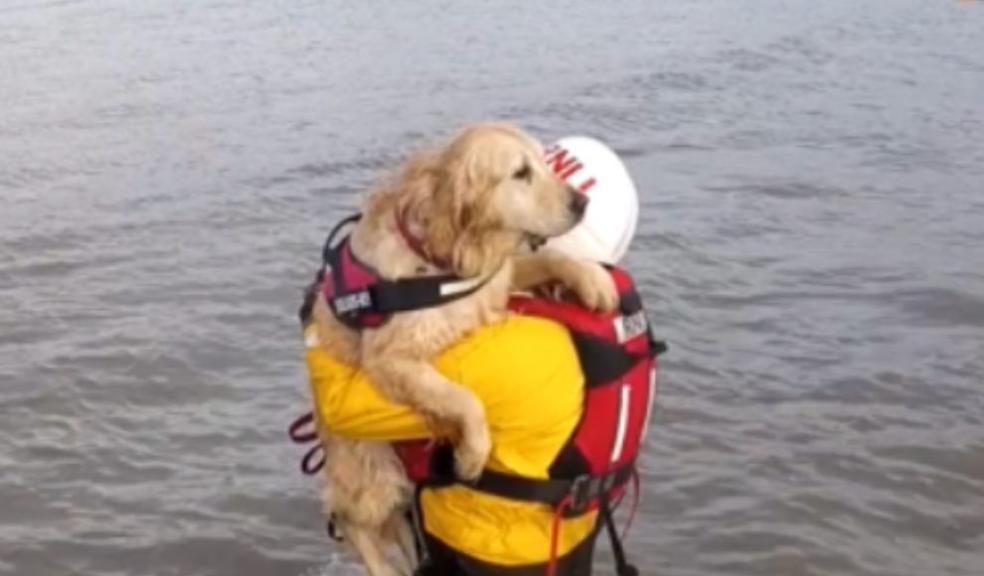
The warning comes as the RNLI sees a seasonal rise in dog rescues, with October averaging more dog rescues than August over recent years. In 2025 alone, RNLI lifeboat crews launched to 167 dogs.
The RNLI is warning dog owners that entering the water after a dog can put their own life at risk. Its Water Safety team advises owners not to enter the sea after their dog, but instead to move to a safe place where the dog can get out and call them. If the dog is unable to get out, owners should call 999 or 112 and ask for the Coastguard.
The Royal Kennel Club’s research, conducted by Censuswide among 2,000 UK adults, also suggests there are misconceptions around dogs’ natural swimming ability. Almost a third (31%) of Brits believe that all dogs naturally know how to swim, while a further 38% believe that some breeds can naturally swim, but others cannot. The Royal Kennel Club is urging owners to check their dog’s confidence and ability in water before allowing them to swim in open water, as not all dogs will instinctively know how to swim or feel comfortable in the water. A dog’s first experiences of water are particularly important, and owners should never force a dog into the water if they are reluctant or distressed.
Owners should introduce dogs to water gradually and, where appropriate, start in calm, shallow water, allowing them to become comfortable at their own pace. They should also consider the conditions and environment before allowing their dog to enter, including water temperature, currents, underwater hazards, steep or difficult-to-exit banks and potential hazards such as blue-green algae.
The survey also highlighted the number of dogs regularly exposed to open-water environments. Almost half (49%) of dog owners take their dog to places with open water, including beaches, rivers, lakes and canals, at least once a month.
More than a third (36%) of owners who take their dog to places with open water say their dog enters or swims in the water every time or most of the time.
The Royal Kennel Club and RNLI are urging dog owners to follow four simple steps around open water:
- Make sure your dog is confident in water before letting them swim. Not all dogs automatically know how to swim, so owners should make sure their dog is comfortable and confident in the water before allowing them to enter.
2 - Keep your dog on a lead when near cliff edges or fast-flowing rivers.
3 - If your dog enters the water or gets stuck in mud, don't go after them. Move to a place they can get to safely and call them - they may be able to get out by themselves.
• Never enter the sea after your dog. Call 999 or 112 and ask for the Coastguard.
Jannine Edgar, Chief Executive, Royal Kennel Clubsaid: “As dog owners, we have a responsibility to understand our dogs as individuals and to think ahead about the environments we take them into. While many dogs enjoy swimming, it shouldn’t be assumed that every dog will instinctively know how to swim or feel confident in the water.
“Before allowing your dog into open water, make sure you know they are comfortable and confident in it, and consider the conditions and hazards around you. Responsible dog ownership is about giving our dogs the freedom to enjoy new experiences safely, while knowing when a situation could put them, or us, at risk.
“Our research highlights both the misconceptions that still exist around dogs and water, and just how strong the instinct can be to help our pets when they are in trouble.
“The Look Before You Leap campaign is about helping owners understand those risks before an emergency happens, so they can make informed decisions that keep both themselves and their dogs safe.”
For anyone who does find themselves in trouble in the water, the RNLI also advises people to Float to Live:
1 - Tilt your head back, submerging your ears.
2 - Relax and try to control your breathing.
3 - Move your hands and legs to help you stay afloat.
4 - Your legs may sink, but that’s OK - everyone floats differently.
5 - Find your float by practising at a supervised location, such as your local swimming pool.
Kate Eardley, RNLI Head of Global Drowning Prevention, said: “We understand it is incredibly upsetting to see your dog in distress. However, please do not enter the sea to go after your dog. If you move to a place where your dog can safely get to and call them, they will often find their own way out of the water. If they are unable to, please call 999 or 112 and ask for the Coastguard.
“In 2025, the RNLI launched to 167 dogs alone. Our lifeboat crews will always launch to your beloved pets, and we ask that you prioritise your safety in this situation.”