

The cat who came home: Bengal Thumper's remarkable recovery after second hit-and-run
Emergency vets are warning pet owners to take extra care near roads on darker evenings, after a Bengal cat made a remarkable recovery from devastating brain injuries caused by a car.
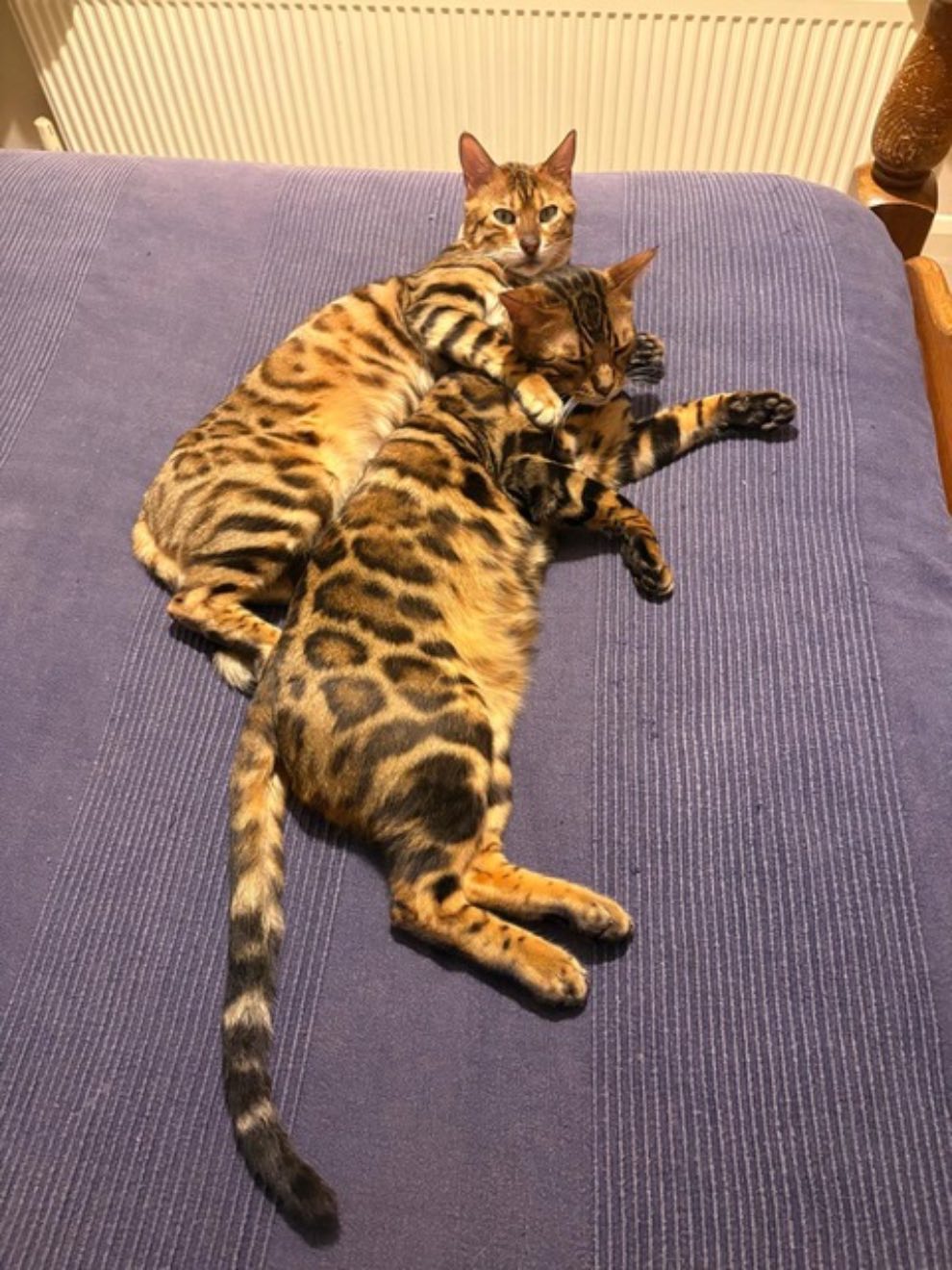
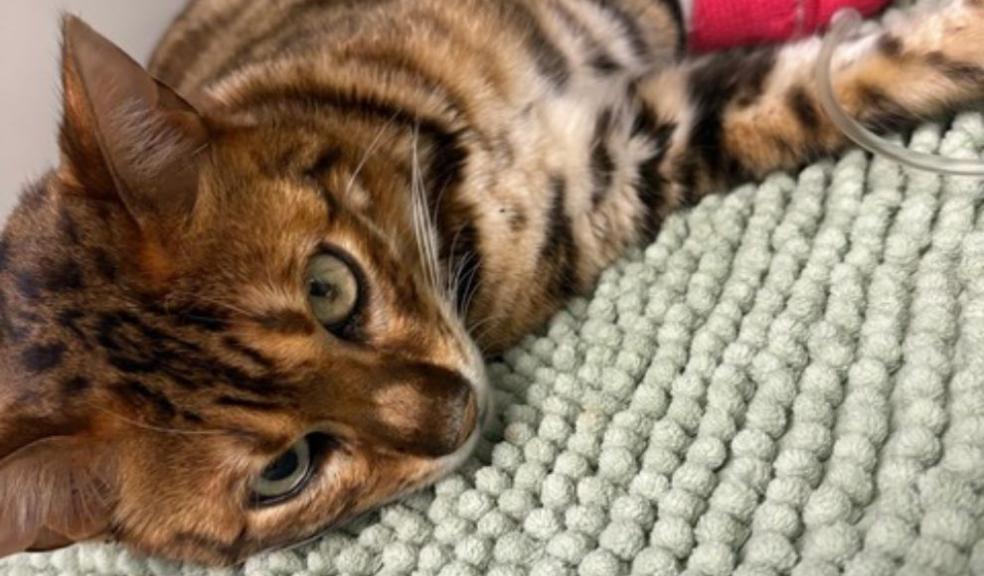
Three-year-old Bengal cat Thumper was rushed to the Vets Now clinic in Reading after he was run down whilst out on an evening wander.
Tests showed he could be left with traumatic brain damage.
But after owners Adam and Ruqayyah Davidson took him home for what might have been the last time, he showed sudden signs of life in his familiar surroundings.
It sparked an incredible recovery and now, against all the odds, he is totally back to his old self.
With darker nights setting in, familiar walks and outdoor routines can now take place after daylight has faded, making pets and their owners harder for drivers, cyclists and other road users to spot.
“Thumper coming through what he has really is a miracle,” said vet Anita Notenboom from the Vets Now clinic. “The brain is an amazing organ, and he survived when all our results showed he really shouldn’t.”
Thumper and brother Tigger are outdoor cats, and the accident was Thumper’s second brush with death, having also been hit by a car just months before.
This time Adam and Ruqayyah got a call in the early hours of the morning after the driver had taken him to the nearby Vets Now clinic. It’s one of more than 60 clinics and hospitals across the UK open for pet emergencies when vets are closed.
Vets Now treats hundreds of cats and dogs injured in road traffic accidents at its emergency clinics across the country each year. Darker evenings can be particularly hazardous when walking and outdoor routines continue after daylight has faded.
“He’s always roamed but we had a tracker on him as well as him being microchipped, so staff were able to contact us through that,” said Adam, from Reading.
“Obviously he’s really unlucky to be run over twice, and when we got to the clinic this time, we could tell straight away it was very serious.”
Thumper had suffered wounds to one of his rear legs, which was cleaned and dressed. There were possibly blood clots and severe bruising to his lungs, but the biggest concern was the pronounced signs of brain injury.
“Most of the tests we measure for brain injury suggested a very grave prognosis,” said Anita. “He was in a coma, occasionally responsive, blind and his pupils did not respond to light. All his vital signs were going up and down.
With such a serious prognosis, Anita sat down with Adam and Ruqayyah to talk honestly about all possible outcomes - because above everything, Thumper's welfare came first. But something made her want to give him a little more time.
"The clinical picture was as serious as it gets," said Anita. "But there are things medicine can measure and things it can't, and sometimes you have to trust that before making any final decisions."
When Adam and Ruqayyah took him back home the response was remarkable.
“It had been touch and go at times at the clinic as he was in such a bad state and part of us felt we were taking him home to say goodbye,” said Ruqayyah. “But he started showing some signs of recovery.
“He went to his litter tray to do the toilet, got up on his favourite sofa, and we were able to feed him with a syringe. When we spoke to Anita, she was amazed at the progress and we all felt he was showing enough signs of progress that we should give him the best chance to recover.
“It was a very slow process, and his mobility took a while to come back, but looking at him now he’s back to his old cheeky self and desperate to get back out.
“We’re limiting when he can get out, but we don’t feel it would be right to just keep him as a house cat.
“We’re so thankful to everyone at Vets Now and to the driver who got him there. If he hadn’t, then Thumper wouldn’t have made it.”
Thumper is now back home with brother Tigger, and as vet Anita put it: “If Thumper used up some of his nine lives in the first accident, he definitely used the rest with the second one.”
The warning applies to dogs as well as cats. Reflective leads or harnesses, LED collar lights and bright or reflective clothing can help dogs and their owners to be seen from different directions. Dogs should be kept on a short lead near roads, with well-lit routes chosen where possible.
For cats that go outdoors, owners should consider limiting access during the darkest and busiest traffic periods, and ensure microchip details are up to date and identification information is current.
Anyone concerned that their pet has been involved in a road traffic accident should contact their vet immediately or, outside normal hours, their nearest emergency vet.