


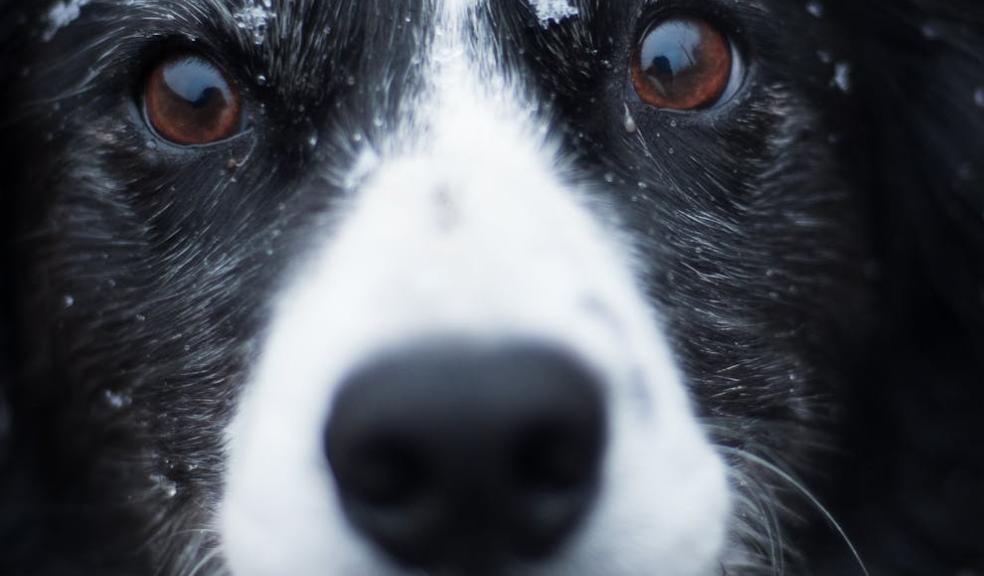
Is your dog too cold? Key signs of frostbite and hypothermia
The UK is set to face another wave of snow and freezing temperatures in the coming weeks, according to the Met Office, pet owners are being urged to not overlook the dangers winter poses to dogs.
While a dog’s fur can offer some natural insulation, extreme weather can pose serious risks, including frostbite and hypothermia.
But not to worry, the Head Vet at Tails.com Sean McCormack has explored the warning signs of frostbite and hypothermia in dogs, what to do in an emergency, and practical tips to keep your four-legged friend safe and warm throughout the cold weather.
“Frostbite occurs when a dog’s skin and underlying tissues freeze due to prolonged exposure to extremely cold temperatures. It most commonly affects areas with less fur or fat, such as ears, tails, paw pads, and noses.
Here are the most common signs of frostbite:
- Pale or greyish skin
- Cold and hard skin
- Swelling
- Blisters or ulcers
- Pain or sensitivity
- Blackened skin
“If you notice these signs in your dog, there could be a chance they have frostbite. You should get your dog to a warm and safe location immediately.
“Use lukewarm water (not hot) to gently warm the affected area. Avoid direct heat sources like hairdryers; do not rub or massage your dog, as rubbing can damage frozen tissues.
“Once warmed up, you should seek veterinary assistance as soon as possible because even if symptoms seem mild, frostbite requires professional care.
“Similarly to frostbite, hypothermia occurs when a dog’s body temperature drops below normal due to prolonged exposure to cold weather. Small, elderly, or short-haired breeds are particularly vulnerable when freezing weather strikes.
Signs of hypothermia:
- Mild hypothermia: Shivering (a natural response to cold), cold ears, paws, or tail and lethargy or a reluctance to move.
- Moderate hypothermia: intense shivering or shivering that won’t stop, weakness and clumsiness, pale gums or slowed breathing.
- Severe hypothermia: Stiffness and muscle weakness, dilated pupils or difficulty breathing, and unconsciousness.
“If your dog is suffering from hypothermia, you should initially start by wrapping them up in warm blankets or towels. You can use heating pads or bottles wrapped in a cloth to warm the body, focusing on the chest and abdomen.
“If your dog is conscious, provide lukewarm water to drink. While waiting for veterinary assistance, you should be consistently monitoring their temperature; a dog's normal temperature is 101–102.5°F (38.3–39.2°C). If it drops below 99°F (37°C), it's a medical emergency.”