

Vets share antifreeze poisoning warning
Leading vet charity, PDSA, is warning motorists to clear up any highly toxic anti-freeze spills as they prepare their cars during the winter season.
PDSA Vet Nurse Shauna Walsh explains: “Ethylene glycol is the active component in antifreeze and is extremely poisonous for anyone, animal or human, who swallows it. It can also be found in screen wash, brake and radiator fluids, and if ingested it can cause severe damage to the kidneys and nervous system.
“Sadly, even tiny amounts can be fatal for our pets, unless vet treatment is given extremely quickly. If you think your pet may have swallowed any, contact your vet straight away and don’t wait for symptoms to develop – the quicker they get help, the better their chance of survival.”
The charity for pets in need is urging motorists to be careful as they prepare their vehicles for the cold season, and to clean up any spills of these liquids immediately. Where possible, choose products containing propylene glycol, as this is much safer for pets.
Shauna also shares how to spot the signs of poisoning, and what to do if you suspect your pet has swallowed a toxic substance: “Signs of anti-freeze poisoning in pets can include excessive drooling, rapid breathing, twitchy muscles or eyes, low energy or weakness, vomiting, drinking more than usual, or seizures.
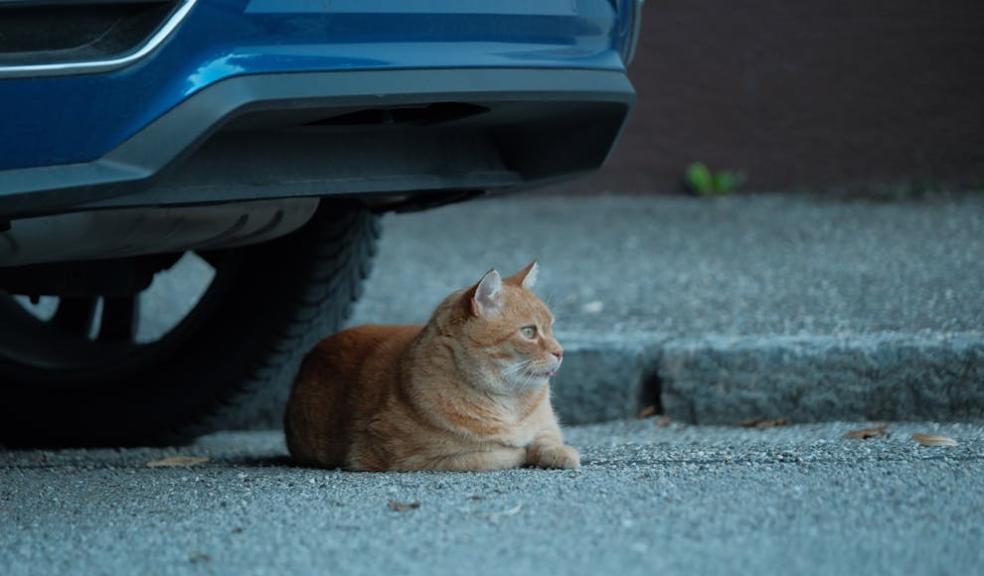
“Cats are often outdoors unsupervised, unlike dogs. So, although the fluid is equally toxic to both species, anti-freeze toxicity is more frequently seen in cats as owners don’t see them drink it. Sadly, by the time there are any symptoms to see, it can often be too late.”
Pets suffering from anti-freeze toxicity usually require intensive veterinary care. They may need to have their stomach emptied and fluids through a line going into one of their veins, as well as medications to try and stop the effects of the toxin. Any antifreeze on their fur will need to be washed off too, to stop them licking it. Even with treatment, sadly some pets may be left with permanent kidney damage.
Shauna adds: “Prevention is always better than cure, so be very vigilant in the cold months. Try to keep cats local to home so you can monitor the area for dangers, keep a close eye on dogs and avoid letting them roam near garages and parked cars. Keep an eye out for spillages and clear up any you find.”
For more advice on keeping pets safe this winter, visit www.pdsa.org.uk/wintersafety