

Petplan’s vet decodes common cat behaviour: Here’s what to know
Petplan, the UK’s No.1 pet insurer, highlights the meaning behind common – and sometimes confusing - cat behaviour to help cat owners understand their pets better.
From allogrooming to the ‘zoomies’, Petplan’s vet, Dr Brian Faulkner breaks down what cats are trying to communicate by answering some of the most asked questions.
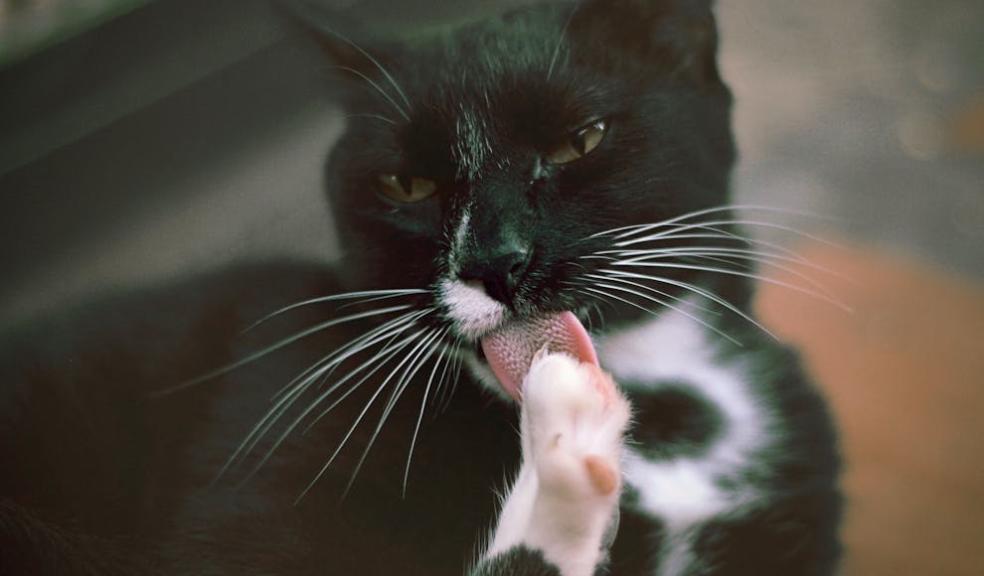
Why do cats groom themselves?
Cats groom themselves for several reasons, including to help keep their coat clean, keeping cool in warmer weather, and even to reduce stress. In fact, cats spend up to half of their waking hours grooming.
In multi-cat households, it’s not uncommon to see cats groom each other. This behaviour is referred to as 'allogrooming' and is used between cats to show affection, strengthen bonds or to create a shared group scent.
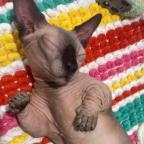
Why do cats roll over and show their bellies?
This is usually a positive sign that cats feel safe and comfortable. Whilst some may think it’s an invitation to give their cat a belly rub, many cats don’t enjoy them.
Why do cats enjoy sitting in boxes or small spaces?
Cats love small, cosy spaces as it makes them feel safe, warm, and protected, allowing them to observe their surroundings securely. Offer a few options around the house, such as covered cat beds or cardboard boxes with blankets, ensuring cats have a safe place to hide.
Why do cats lie on household items?
Cats enjoy warm spots, be it a sunny patch on a bed or even on their owner’s laptop. Cats also use items such as freshly washed laundry or a new book to leave their scent, claiming them as territory and enhancing their sense of security.
Why do cats get the zoomies?
A sudden burst of intense energy, officially known as a frenetic random activity period (FRAP), usually lasts around 30 minutes. It involves running, playing, pouncing, or "attacking" objects. Domestic cats, with regular meals and safe homes, still retain their wild ancestors' energy for hunting and evading threats. Zoomies often mean your cat has excess energy; a quick play session or trick training can help calm them.
Signs your cat may be struggling or feeling distressed
It’s important to take the time to understand your cat’s behaviour – including their vocalisations - and tail language so that you can easily identify any unusual behaviour.
Petplan, the UK’s no.1 pet insurer advises cat owners to look out for the following signs:
- Lethargy
- Hiding more than usual
- Signs of pain (can range from being subdued to overt discomfort)
- Sudden onset of aggressive behaviour
- Changes to litter tray use
- More vocalisations than usual
- Changes in eating or drinking habits
- Compulsive behaviours such as overgrooming
Through their behaviour, cats can communicate or showcase they may be struggling. Early intervention is key to addressing any behavioural or health issues. If you notice your cat is hiding more than usual or overgrooming, then we recommend you make an appointment with your vet. Having cat insurance can help you cover the cost of vet bills and provide great peace of mind.