

Silent Signals: Why Your Cat’s Behaviour Could Be a Cry for Help
Changes in your cat’s behaviour can be subtle, but they often tell an important story.
According to PDSA Vet Nurse Shauna Walsh, recognising and preventing stress in cats is one of the most important things owners can do to protect their feline friend’s health and happiness.
This Stress Awareness Month, Shauna shares her advice.
“Cats are very sensitive animals,” explains Shauna. “Even small changes in their environment or routine can cause stress, and if it goes unnoticed, it can start to affect both their behaviour and their physical health.”
Stress isn’t just an emotional issue for cats, it can lead to serious medical conditions such as cystitis, digestive problems, and over-grooming. That’s why spotting the signs early is key.
“Some stress signals are easy to recognise. A usually sociable cat may suddenly hide away, avoid people, or stop playing,” she explains.
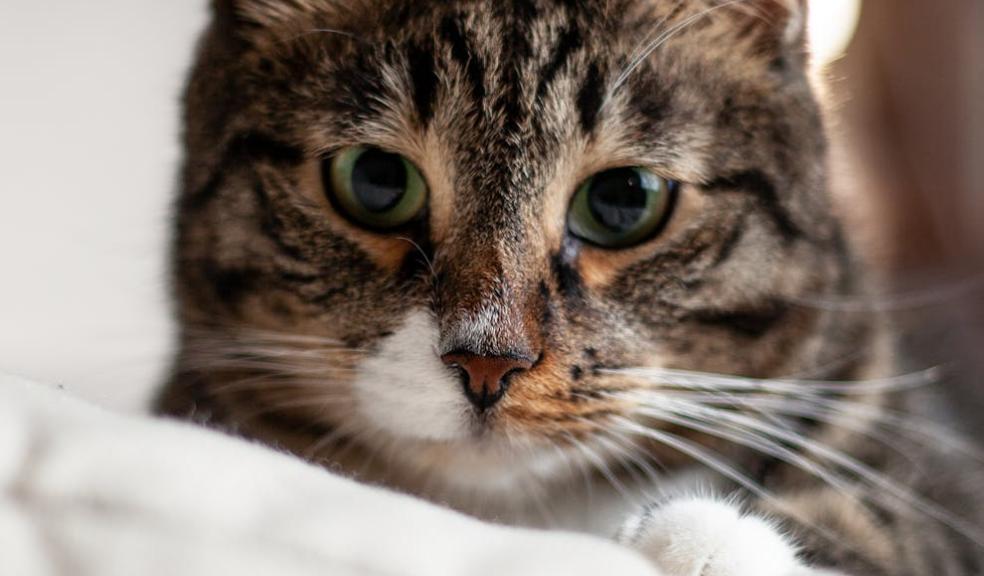
“Others may eat less, groom excessively, or begin toileting outside their litter tray. You might also notice changes in body language, such as crouching low, flattened ears, or a tense posture. More vocal behaviour - like frequent meowing or yowling - can also be a sign something isn’t right.
“Some signs develop gradually, so owners might not realise their cat is stressed until it becomes more serious. Any sudden or ongoing change should always be checked by a vet to rule out medical causes.”
So, what’s behind this stress?
“Often, it comes down to changes in a cat’s environment. Moving furniture, redecorating, or even introducing new smells like air fresheners can unsettle them. Cats rely heavily on familiarity, and disruptions to their territory can make them feel insecure.
“Multi-cat households can also be a challenge. Cats are naturally territorial and may feel stressed if they have to compete for food, litter trays, or resting spaces. Likewise, new pets, visitors, or even changes in household routines like different working hours or school holidays can have an impact.”
Preventing stress starts with meeting your cat’s basic needs. Shauna advises ensuring cats have easy access to essentials like food, water, litter trays, scratching posts, and comfortable sleeping areas. “As a rule of thumb, you should have one of each resource per cat, plus one extra, especially in multi-cat homes,” she says.
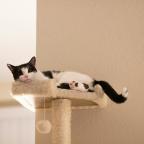
“Creating safe spaces is equally important. Cats need quiet areas where they can retreat and feel secure - whether that’s a cosy bed, a cardboard box, or a high perch. Maintaining a consistent daily routine also helps cats feel more in control of their environment.
“Play and mental stimulation are often overlooked but are vital for reducing stress. Puzzle feeders, toys, and interactive play sessions can help prevent boredom and keep your cat engaged.
“Finally, it’s important to let your cat set the pace when it comes to attention. “Cats value choice. Giving them space and allowing them to approach you on their terms can make a big difference.”
If you suspect your cat is stressed, don’t ignore it. Speak to your vet, who can rule out underlying health issues and offer guidance. With the right care and understanding, most cats can return to a calm, contented life - something every pet deserves.
For more advice, head to the Pet Health Hub on PDSA’s website: www.pdsa.org.uk/phh