

The ‘sniff check’ all dog owners should do before cycling with their dog
Spring bike rides with your dog should begin with this simple safety hack – and it’s not to be sniffed at.
For doggies hitting the cycling trails for the first time, owners can boost their dog’s confidence by introducing a pre-ride ‘sniff check’. This involves introducing your dog to your bike whilst it's stationary, giving them time to become accustomed to the bike and how to behave around it.
The lead and harness experts at TopDog want pet parents who are also keen cyclists to let their dog get close to the bike, sniffing and investigating. Reward them with treats for calm behaviour around the bike to build positive associations, leading to a calmer and more enjoyable experience once you're out on the bike.
“It’s a well known fact that dogs perceive the world through scent, depending on it to help them interpret the world around them. So it makes perfect sense, when introducing an exciting and unfamiliar new experience like cycling, to let your dog have a good sniff around the kit” says John Skinner, TopDog co-owner.
Walk before you can run
Once your pooch has sniffed around the bike, another useful pre-ride safety check is to allow your dog to get comfortable with the bike outside. Running alongside the bike could take some time, so begin by walking the bike with your dog on a lead on the opposite side of you. This will help them get used to the idea of ‘walking to heel’ with the bike.
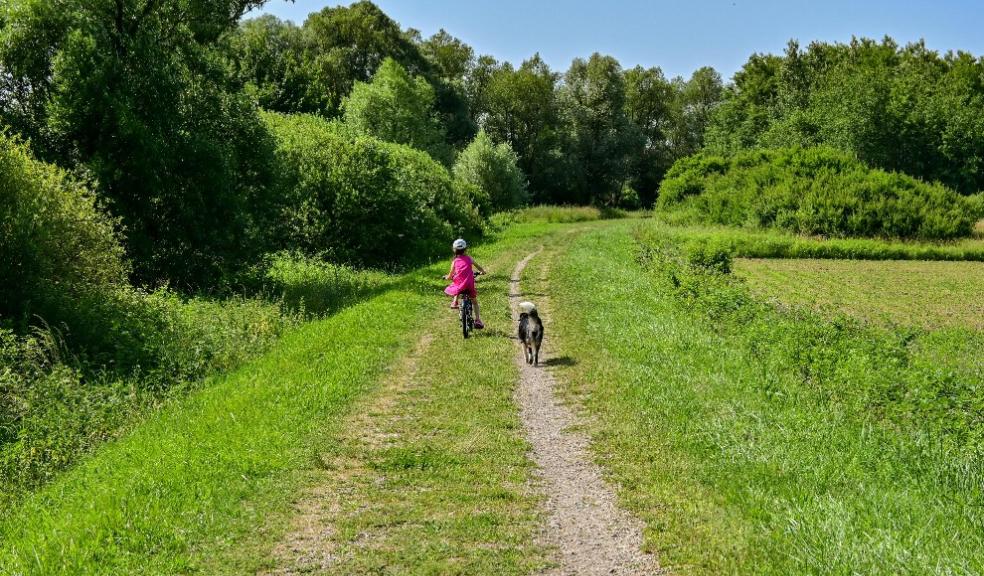
If this goes well, you can progress to a short ride in a quiet park or traffic-free area. Then, gradually increase the distance and pace. Be aware of signs of fatigue and learn your dog’s limits.
And because you’ve invested the time in familiarising your dog with the bike before heading out on a ride, they’ll soon be used to their new routine on four legs and two wheels!
Choosing the right harness for your dog cycle ride
Like choosing a suitable bike for the kind of rides you’re into, a properly fitted harness is a must-have if you’re planning on bringing your dog along.
"A harness for an active dog is like a good pair of running shoes for a person,” continues John. “For a dynamic activity like cycling, you need a secure, ergonomic design that moves with the dog, providing comfort over distance and ensuring you have reliable control in any situation.”
A harness is an ideal choice because it distributes pressure across your dog's chest and shoulders, rather than their neck, which is crucial if you need to brake suddenly.
A D-ring on the back of the harness is key to keep the lead away from your dog's legs and prevents it from getting tangled in the bike's wheels.
TopDog has produced a handy size guide to get the perfect fit for your dog.