

Leading animal charities issue stark warning about “Frankenstein cats”
Animal welfare charities Cats Protection and the RSPCA have warned that cats could soon bear little resemblance to the traditional and much-loved moggy, unless urgent action is taken on cruel cat breeding practices.
In recent years, social media and celebrity trends have driven demand for cats with extreme, unnatural traits. These include folded ears, hairlessness, shortened limbs and missing tails. Both charities are seeing cats with extreme traits coming into their care.
Such traits can cause chronic pain and discomfort, inhibit natural behaviour and reduce quality of life - yet charities have witnessed “booming” popularity for many of these cats. The RSPCA has seen an increase in cats with extreme physical traits in recent years - with a 200% increase in certain breed types.
Scottish folds, sphynx cats, Persians and new XL bully cats are among the breeds causing concern to the leading animal welfare groups.
Cat breeding is not subject to any specific oversight of regulation like dog breeding. There are also no specific restrictions on breeding for harmful inherited traits in the UK, except in Scotland where licensing rules apply to breeders with three or more litters a year, meaning there is nothing preventing unscrupulous, unregulated breeders from creating alarming and unhealthy cats. These cats not only look different to moggies but often also have painful health issues which means they cannot exhibit normal cat behaviour.
Madison Rogers, Associate Director of Advocacy at Cats Protection, says: “Cats’ body shapes have remained broadly similar for hundreds of years, but in a relatively short space of time this has dramatically changed.
“Scottish folds now account for 2% of the UK cat population, while the XL Bully cat - which combines multiple extreme traits – first appeared in 2024 and has seen booming popularity.
“If action is not taken quickly, we are likely to see more alarming examples of what we are calling ‘Frankenstein’ cats - who bear no resemblance to our beloved moggy and, tragically, come with multiple health issues.
“We’re urging the governments across the UK to regulate cat breeding and ban the breeding of cats with known harmful traits. But the public can do their bit too, we are by not buying these poor cats, and signing our petition calling for action”
Health issues associated with extreme traits are:
Folded ears in Scottish folds – the fold is caused by a painful genetic disorder which affects cartilage, leading to abnormal bone development, chronic pain and sometimes severe lameness. All Scottish folds are born with this incurable disorder.
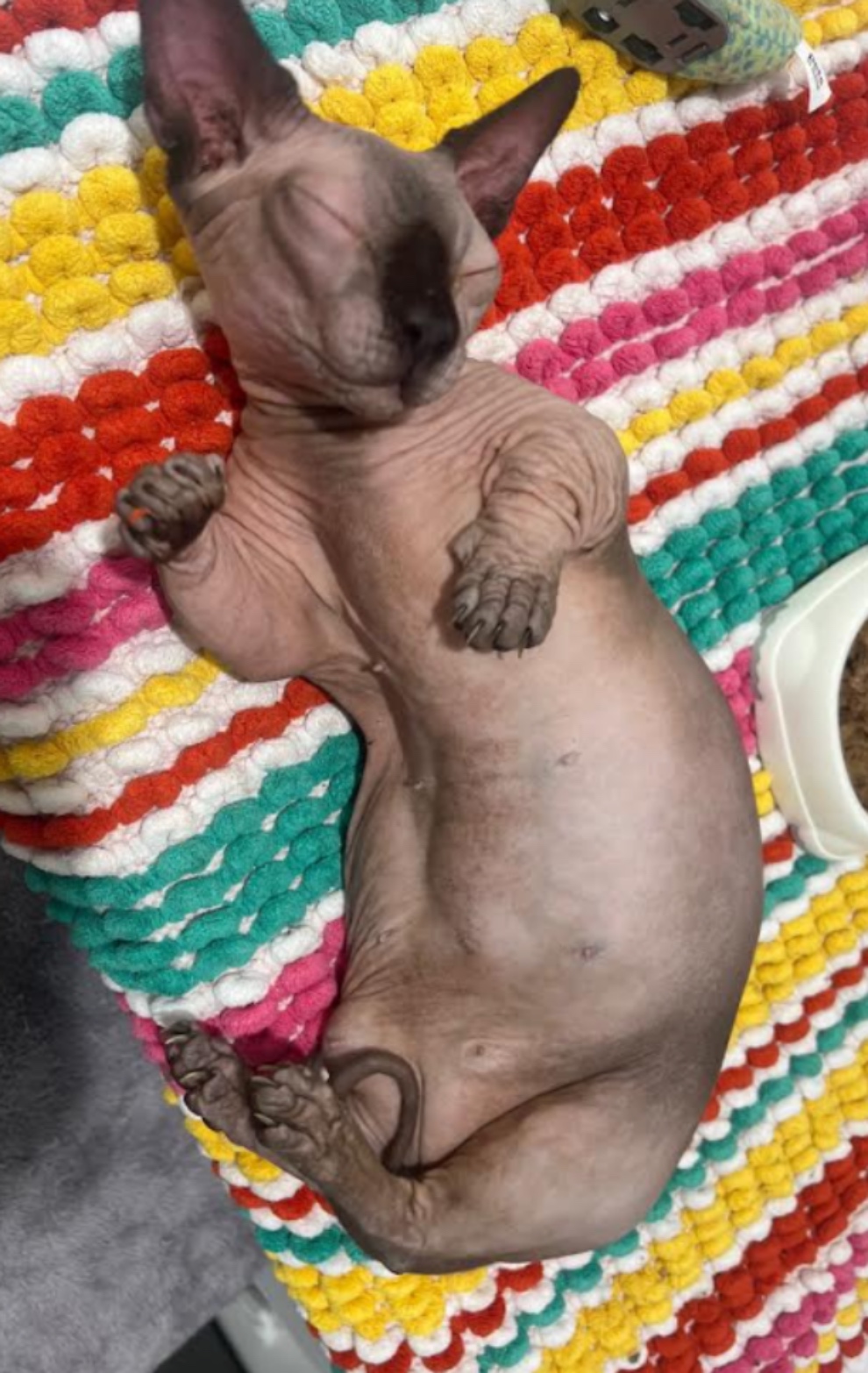
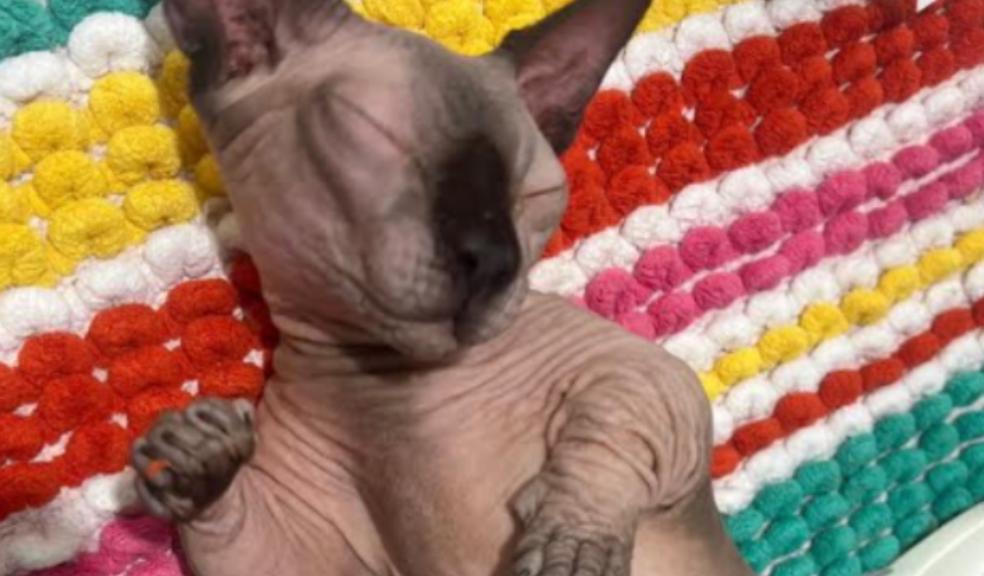
Hairlessness in sphynx cats – lack of fur leaves cats vulnerable to skin infections and UV exposure. They may struggle to regulate body temperature and some lack whiskers which are vital for navigation and communication.
Ultra-flat faces in Persian cats – abnormal skull shape which causes eye and dental problems such as conjunctivitis, ulcers and tooth misalignment. Also linked to significant breathing difficulties and exercise intolerance.
Short legs in munchkin cats – associated with limb deformities which restrict normal movement and can cause pain.
Owners are often unaware that cats with extreme traits, like folded ears, can face a life of chronic pain, impaired mobility and other health issues and as a result, both charities are seeing a growing number of these cats being relinquished into their care as owners struggle with the high veterinary costs or intense care needs.
The latest RSPCA’s Animal Kindness Indexshows that more than half (56%) of pet owners are worried about being able to afford vet bills, while one in 10 admitted to reducing their spend on vet care due to financial pressures and almost a quarter (24%) are skipping their animal’s annual check-up.
Between 2016 and 2025, there was a 200% increase in British shorthair cat types, and a 180% increase in persian cat types*. Both of these cat breeds are often brachycephalic (flat-faced) with large, protruding eyes. Persians are also bred with an unnaturally long hair coat.
Alice Potter, Senior Scientific and Policy Officer in the RSPCA’s Science and Policy Group, added: “Cats must not be forced to suffer unnecessarily because of physical traits that some humans find desirable.
"With thousands of cats already needing homes, breeding animals with known painful health conditions is increasingly difficult to justify.
“Cat breeding in England and Wales remains largely unregulated with no limits on litters and maximum breeding age, and no clear prohibition on extreme traits that compromise health and wellbeing. We’re urging the UK and Welsh Governments to change that.
“Sadly, cat welfare has received far less attention than dogs in the UK Government’s recent animal welfare strategy for England, despite there being around 9 million cats in England, owned by around 26 percent of households.
“But we know a better way is possible. The Netherlands’ government has introduced restrictions designed to prevent breeding animals with harmful inherited traits - setting a great welfare example - and as a nation of animal lovers, we should follow it.”
In a bid to tackle this pet welfare crisis, the RSPCA has launched a new report - The Shape of Suffering - setting out what we all can do to end breeding for extreme traits, in cats, dogs, rabbits and even snakes and fish who suffer too.
The report aims to shine a light on this growing animal welfare problem and calls on owners, breeders and those with the power to create change to do their bit to take meaningful steps towards ending it.
Case study: the reality behind the trend
Claire Chafer, of Uttoxeter, Staffordshire, adopted her Scottish fold cat, Fenella, from Cats Protection’s Derby Cat Centre in 2024.
Claire says: “I’m an experienced cat owner, so I was happy to take on a cat who had additional needs and give them as good a life as possible. Poor Fenella had been handed in when she was only eight weeks old, and as she got older, it became clear she couldn’t do the things other cats can.
“Fenella can’t bend to groom herself because her joints aren’t properly formed, so we need to clean her bottom for her every day. Because she is flat-faced, she gets covered with food which she can’t clean off herself, so we also have to wipe her face every day. She can’t jump very high, or climb or run much. I see celebrities owning Scottish folds, but it’s not at all glamorous.
“We’ve had a blind, three-legged cat before, and another one with a neurological condition but neither of them have needed the kind of help that Fenella needs, and both enjoyed much more normal cat behaviour. It’s tragic to think that all these things were intentionally bred into her, just so she could look a certain way.
“We have set up the house so she can engage in normal cat behaviour – lots of little low platforms she can jump on and off. We also play very gentle games with her so she gets as much stimulation as possible.
“We’re working hard to make sure Fenella has the best quality of life for the longest time. We’ll have to make the decision about euthanasia when her quality of life is no longer good enough and that’s heartbreaking, because we know she’ll have less time than she should. I absolutely believe Scottish fold breeding should be banned - it’s cruel to intentionally breed a cat for their looks which then causes unnecessary suffering.”
The RSPCA is currently caring for two sphynx type cats - signed over from their owners who were unable to care for them. Spongebob and Pearl are now at RSPCA Millbrook - where staff are working round the clock to keep them cool.
“They are struggling in the heat due to their inability to regulate their temperature, as they don’t have a coat that can help keep them cool - by deflecting heat, or trapping air against the skin,” said Claire Jones, RSPCA Millbrook cattery supervisor. “We’re having to give them regular cold baths, offer frozen treats and keep their cattery pod nice and cool. They are friendly cats, and have had a lot of interest. We are looking for a specific home that understands their unique needs, due to their extreme traits.”
The RSPCA rescued 37 cats with extreme traits from a house last year (one pictured above, top image), and both charities were involved in rehoming them to people who fully understood their welfare needs.
The cats - which included sphynxes, munchkins, bambinos and Devonshire rex cats - had been bred to sell, but some had been returned to the breeder, or were unsold, and living in unsuitable conditions. Many had severe limb deformities, impairing their mobility, and narrow ear canals, causing wax build-up.
Alice added: "Breeding for extreme traits isn't creating unique pets - it's creating animals who will spend their lives paying the price for the way they look. Until breeding extreme traits is prohibited, more cats will continue to be bred with exaggerated features we know can reduce their quality of life. That's why we're calling on policy-makers to strengthen protections, breeders to only breed innately healthy cats and on the public to help break the demand that keeps this trade alive."