

How to read your cat's body language
Cats are famously independent, which can make them tricky to read at times, but that’s also part of the charm.
Petplan’s veterinary expert Dr Brian Faulkner (FRCVS), is sharing six body language cues that can help owners tell whether their cat is relaxed, stressed or anxious.
What to look for:
- Tail: A high, gently curved tail suggests happiness; a low, tucked or puffed-up tail can signal stress.
- Ears: Forward-facing ears show relaxation, while flattened or constantly swivelling ears may indicate anxiety.
- Eyes: Slow blinks show trust; wide eyes, dilated pupils or a hard stare can suggest stress or aggression.
- Head: Head bumps and cheek rubs show affection, while a lowered head may signal fear or defensiveness.
- Back: A relaxed back indicates comfort; an arched or hunched posture may suggest fear, anxiety or illness.
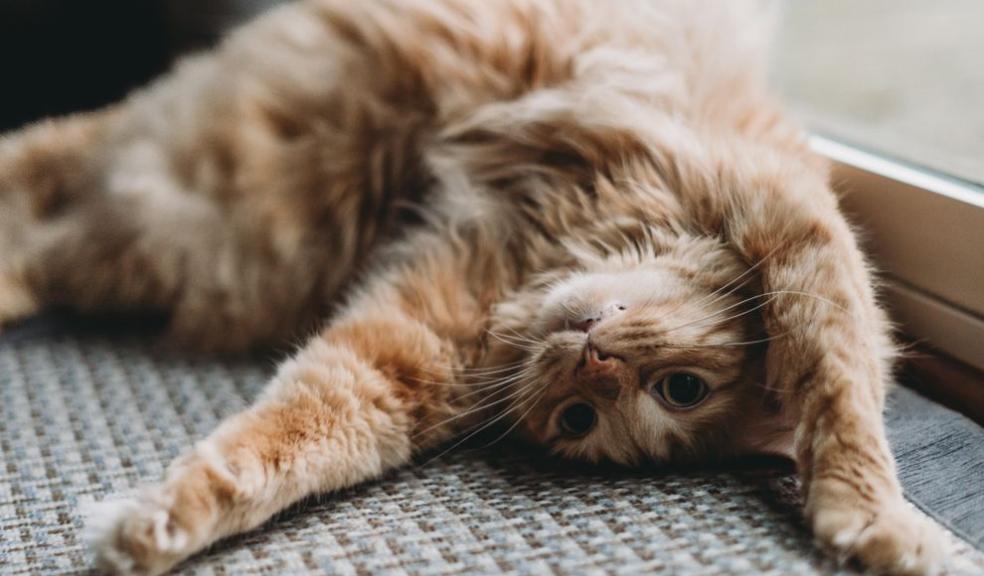
- Paws: Kneading often signals contentment, while excessive scratching can be a sign of stress.
How can owners keep their cat happy?
- Provide vertical spaces such as cat trees or shelving where cats can climb and observe their surroundings.
- Keep feeding and daily routines as consistent as possible.
- Offer quiet places to retreat.
- Encourage play and food puzzles for physical and mental stimulation.
For more information on cat language, please visit: Petplan’s guide to understanding cat language
Petplan’s veterinary expert, Dr Brian Faulkner, comments:
“Cats are largely solitary hunters, so their facial expressions can be subtle. Looking at their wider body language can help you understand how they may be feeling.
“A cat communicates through its whole body, including its tail, ears, eyes, posture and whiskers. A tail held high, ears facing forwards and slow blinking can indicate that a cat feels relaxed and comfortable, but these signals should always be considered together and in the context of the individual cat.
“Potential warning signs include a low tail tucked beneath the body, flattened ears, dilated pupils or wide eyes, excessive scratching, and a tense or arched posture. These behaviours can sometimes reflect anxiety, pain or illness.
“The most useful approach is to become familiar with what is normal for your own cat and to look for any persistent or unexplained change in their behaviour, appetite, movement or usual routine. If you are concerned about your cat, always contact your vet for advice and having cat insurance can provide you with peace of mind.”