


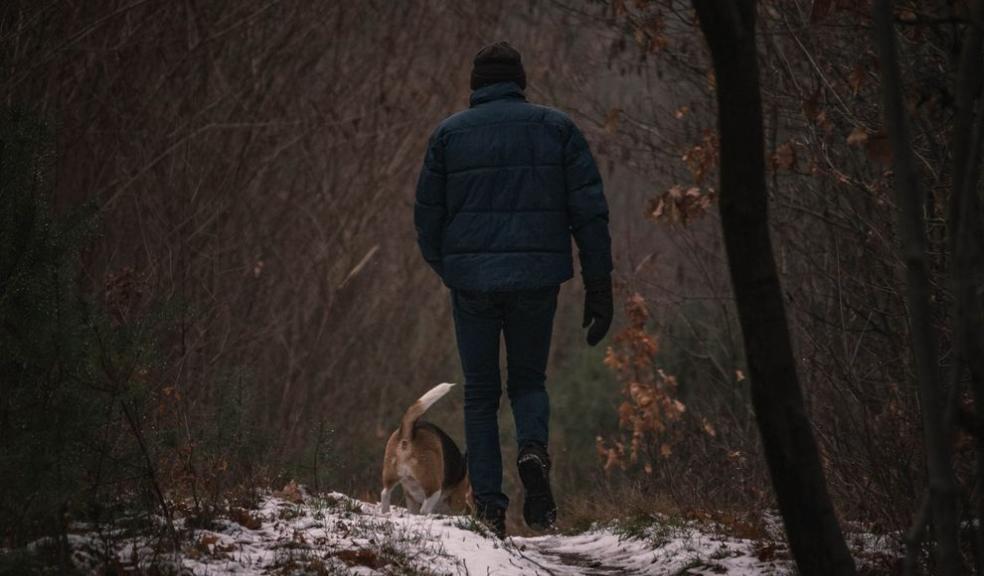
Vet reveals when it's too cold to walk your dog as snow forecast to hit parts of the UK
With temperatures set to plummet, the Met Office issuing weather warnings and a snow forecast across parts of the UK this week, dog owners are being urged to rethink their usual walking routines.
While some dogs are better equipped to handle freezing conditions than others, sub-zero temperatures, icy pavements and strong winds can put pets at risk of cold-related injuries.
Dr Sean McCormack, Head Vet at dog food subscription brand Tails.com, reveals when it's too cold to walk your dog, which breeds are most vulnerable and the warning signs that mean it's time to head home.
Is there a temperature that’s “too cold” to walk your dog?
“There isn’t a single temperature that applies to every dog, but as a general rule, once temperatures drop below freezing (0°C), owners should start exercising extra caution.
“When it reaches around –5°C or lower, many dogs will struggle, especially if walks are long or conditions are icy. Puppies, senior dogs, small breeds, short-haired dogs, and those with health conditions are far more vulnerable to the cold.
“Wind chill is also a big factor. A calm –2°C day can feel very different to a windy –2°C morning, and dogs feel that cold just as much as we do.”
Why can cold weather be dangerous for dogs?
“Cold temperatures increase the risk of hypothermia and frostbite, particularly on exposed areas like the ears, tail, and paws.
“Icy pavements, snow, and de-icing salts can also cause paw irritation, cracking, or chemical burns. Dogs don’t always show pain immediately, so problems can go unnoticed until they’re more serious.
“Slips and falls are another concern. Just like humans, dogs can strain muscles or injure joints on icy surfaces, especially older dogs or those with arthritis.”
Are some dogs more at risk than others?
“Absolutely. Breed, size, coat type, age, and health all play a role in cold tolerance.
“Short-haired breeds, toy breeds, and dogs with little body fat lose heat quickly. Greyhounds, Whippets, Chihuahuas, and Dachshunds often struggle in freezing weather.
“Puppies and older dogs are also more vulnerable, as they’re less able to regulate body temperature. Dogs with heart disease, arthritis, kidney issues, or hormonal conditions should have their winter walks carefully managed.”
How long should walks be in sub-zero temperatures?
“In very cold weather, it’s often better to opt for shorter, more frequent walks rather than one long outing.
“A quick 10–15 minute walk may be enough to allow your dog to toilet and get some fresh air without risking overexposure. If your dog starts lifting their paws, shivering, slowing down, or trying to turn back, those are clear signs it’s time to head home.”
What signs suggest it’s too cold for your dog?
“Dogs don’t always vocalise discomfort, so owners need to watch for subtle cues.
Common signs your dog is too cold include:
Shivering or trembling
Lifting or holding paws off the ground
Slowing down or refusing to walk
Tucked tail or hunched posture
Whining or anxiety
“If you notice any of these, end the walk immediately and warm your dog up gradually once you’re home.”
How can owners keep their dogs safe during cold snaps?
“There are several simple steps owners can take to reduce risk during freezing weather.
“Check the temperature and weather conditions before heading out, and avoid early mornings or late evenings when it’s coldest.
“Apply a dog-safe paw balm before walks to protect against ice and salt, and rinse and dry paws thoroughly afterwards.
“For dogs that struggle in the cold, a well-fitted dog coat can help retain body heat — especially for short-haired breeds. Unlike novelty outfits, functional coats designed for warmth can be genuinely beneficial.”
What if it’s too cold to walk at all?
“If conditions are extreme, such as during heavy snow, ice, or sub-zero temperatures with strong winds, it’s perfectly acceptable to skip walks for a day or two.
“In these cases, focus on indoor enrichment instead. Food puzzles, scent games, basic training, and interactive play can help meet your dog’s mental and physical needs without exposure to the cold.
“Dogs don’t need to walk every single day at all costs, their safety, and comfort should always come first.”
When should owners speak to their vet?
“If you’re unsure whether it’s safe to walk your dog in cold weather, or if your dog shows ongoing discomfort, changes in mobility, or signs of cold-related injury, speak to your vet.
“They can offer personalised advice based on your dog’s breed, age, and health, and help you plan safe winter routines.”