

Moving to Singapore With a Pet: How to Choose the Right Vet
Coming to Singapore with a pet entails not only buying tickets and preparing a pet crate. The country has some of the strictest pet importation procedures in the world, unique disease profile that a Western veterinarian might never have encountered before, and licensing requirements with actual financial penalties for mistakes. A vet you'll visit in Singapore is not just a doctor for your pet - they are a crucial part of your moving infrastructure.
Start with the paperwork, not waiting room decorations
First of all. Does the clinic have experience with the administrative handover of your pet's health documents between your home country's vet and Singaporean authorities?
Since you are bringing your pet to Singapore, you should have quite a few documents in hand - an import permit issued by the Animal & Veterinary Service (AVS), a Veterinary Health Certificate with an official seal from your country of origin, as well as potential Rabies Serology Titre Test results if your country belongs to Category C or D countries and the document from SAQS (Sembawang Animal Quarantine Station) after your cat/dog was returned to you from there.
That is the kind of information you don't want to explain to a veterinarian who is unfamiliar with international moves of pets multiple times. For example, every time when your cat or dog gets their rabies vaccination, you should remind yourself to renew the pet's import licence - something that you need to do anyway if you live in Singapore. Can the clinic help you with that procedure?
Not all clinics are experienced in working with foreigners' pets. Can the clinic confirm your pet's ISO 11784/11785 compliance in terms of your cat/dog's microchip? If the clinic doesn't advertise its overseas transfer experience, don't hesitate to ask.
All dogs in Singapore must be licensed to control rabies spread and maintain proper traceability. Otherwise, there might be a fine of up to S$5,000 imposed according to the Animals and Birds (Dog Licensing and Control) Rules. This rule is not a mere bureaucracy, but a strict deadline that you should take into account.
Check diagnostic infrastructure before it becomes necessary
Imagine yourself visiting a clinic with a limp or a swollen paw and having to send your pet out for even basic X-rays. This will waste both your time and money on a Saturday evening (and maybe Sunday morning).
That is why you are interested in the diagnostic capabilities of a clinic as soon as you enter it. It doesn't mean that your dog will never be referred to another clinic for further investigations, but the best clinics will try doing everything possible on-site. For example, having a sterile surgical suite is expensive, as well as a digital radiography. Having an in-house blood machine is expensive too, but it allows obtaining fast results when a pet is brought to the clinic with a combination of vomiting and fever. When these examinations have to be done on the next day, that's a problem.
You are not looking for the most expensive facility, but you need to be aware of the available diagnostic infrastructure.
Location logistics are more important than you think
Singapore is a tiny country. However, "tiny" doesn't mean "easy to reach" when you travel there by public transport together with your stressed pet in a carrier and 32 degrees Celsius temperature and 85% humidity outside.
The short-haired, brachycephalic, or elderly animals can overheat very quickly. Do you have a car? If not, is the clinic accessible from air-conditioned MRT stations? Does it have an arrangement with pet taxis? Clinics may have arrangements with pet-taxi providers that allow pets to be taken to the clinic. As for owners with a car, is there enough parking nearby? It is better to know it before you circle a multilevel car park trying to find a place to park while you have a hot and anxious pet in the back seat.
Prevention of tropical diseases is a must
This is one of the areas where Singapore's veterinary requirements differ drastically from what the pet owners from temperate zones are used to. There is no winter season in Singapore. That means that there is no seasonal die-off of fleas, ticks, or mosquitoes. In turn, that makes heartworm, tick-borne diseases, and fleas year-round risks rather than seasonal ones.
A veterinarian truly experienced in tropical conditions will have a clear protocol on how to handle this risk. It means that he or she will be able to recommend certain preventatives to you and discuss the frequency of your visits to the clinic. If the veterinarian doesn't seem to know what to recommend to you or doesn't consider the preventative measures to be necessary - it's better to look for another clinic. Feline Infectious Peritonitis (FIP) and Leptospirosis are diseases with specific risks related to Singapore's local exposure profile.
Year-round prevention is not a marketing trick, but a routine standard in this climate.
Transition of medical records and scheduling a baseline check
When you are ready to choose a local clinic and build a long-term relationship, you would want the very first visit to the clinic to be regarded as a health assessment rather than a weigh-in and a handshake. It should include a thorough physical examination, analysis of all documents obtained in the course of importation process, confirmation that your microchip is registered, and discussion of what kinds of preventatives have to be started or maintained given the disease profile in Singapore.
A clinic like Animal Ark Veterinary can handle these practical aspects for you and assist in properly completing the compliance paperwork from the AVS.
That visit is also an opportunity to size up the veterinarian's abilities. Observe how the staff handles your pet and communicates with you. The quality of the first consultation is usually an indication of how they will act in stressful situations.
Clear billing procedure is a must
Veterinary services are not always charged according to the fixed price model. While some clinics provide you with a breakdown of the total cost of treatment beforehand, others will only show you the bill at the end of the treatment. Of course, it's always better for you to use the first type of clinics.
Make sure you know the billing procedure of the clinic before you sign any documents. Will they provide you with the estimate of the costs of the treatment in writing beforehand? Will they let you know if an initially planned investigation is escalated into a more serious one? If the answer is vague, then you have your answer - a good clinic should not mind addressing these questions.
In addition to your comfort, clear billing records may also be required by insurance companies that have offices in Singapore. They would need to see your veterinary records and the documentation of your pet's pre-existing conditions.
Understand the emergency and after-hours procedure
Your regular veterinary clinic handles your everyday problems. However, if you need your vet's help at 2 a.m. on a public holiday when your cat stops breathing properly - you need to know where to go in advance.
Not all clinics are open 24 hours a day. Actually, most of them aren't. That is why you are interested in a clinic that has a referral arrangement with a 24-hour emergency clinic. You want more than a vague "Go Google it" answer; look for a clinic that has an established chain of action.
This information will tell you if the clinic thinks about the continuity of care or stops at their regular working hours.
Be aware of the regulations regarding your specific breed
Certain dog breeds in Singapore are classified as scheduled or restricted. That means that your dog may need to wear a muzzle and leash in public and some breeds will require special permits. Your vet should be aware of that fact already.
Apart from that, brachycephalic breeds (English Bulldogs, French Bulldogs, Persian cats, Pugs) suffer in Singapore's climate conditions much worse than the majority of other breeds. Heat stroke happens much faster there than in temperate zones where these animals were bred. Also, a veterinarian experienced in handling such animals will be able to recommend a specific monitoring protocol to you. He or she will give you very concrete and practical recommendations regarding physical activity and environmental management. If the veterinarian doesn't mention these issues and gives you general advice - you should raise them yourself and watch how he or she responds.
Use the clinic's interior as a guide
You can learn a lot about how the clinic deals with patient stress just from the way it is organized. Cats and dogs sharing a waiting area while sitting two feet away from each other is not a stress-free situation for either pet. The stress before veterinary examination affects heart rate, blood pressure, and behavior - all of which can affect the diagnosis.
Find a clinic with separate waiting areas for cats and dogs or with time-separated appointments that will prevent overlap. Some clinics have a Fear-Free approach, which means that they organize the whole veterinary visit according to a special methodology. It's not the only way to work with pets, but it is a sign of a clinic that considers the experience of the patient.
What you should pay attention to during your first visit
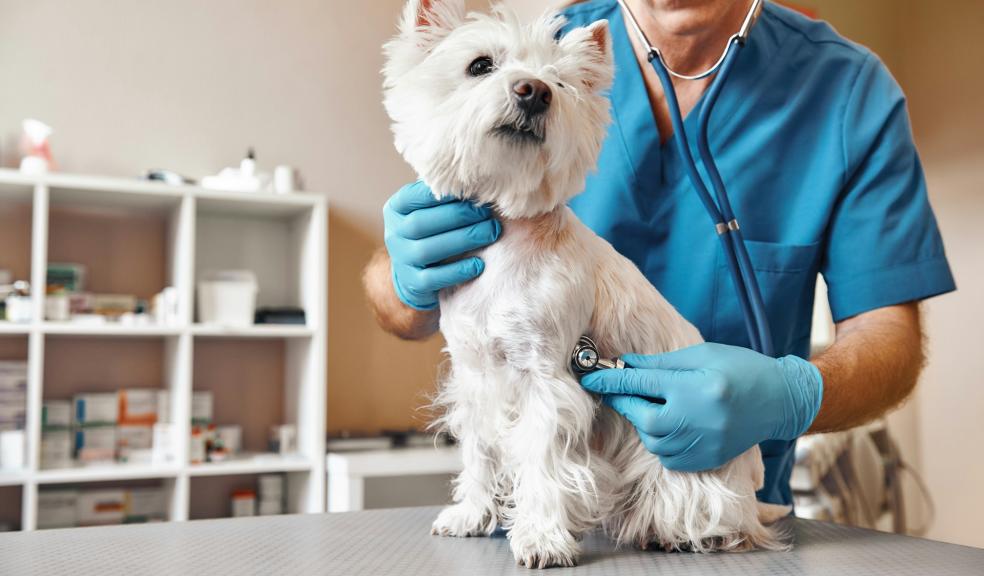
While leaving the clinic, check the following points: Is the examination room visibly clean? Does the veterinarian get to the animal's level or sit behind the table? Does he or she explain the findings in plain language or use technical terminology without checking if you understand? Does he or she ask about your pet's history in a way showing that he or she had read the records?
None of this is about the perfection of the performance of a clinic. This is about choosing the doctor with whom you can work during stressful situations - because sooner or later, you may find yourself in a stressful situation.
Finding a good veterinary clinic in a foreign country is an easy task to forget compared to finding a flat and connecting the Internet. But don't. In Singapore's regulatory and climate conditions, the right vet makes the difference between an effortless transition and a mess. Do this job right and the other pet-related aspects of settling in will be easier to manage.