


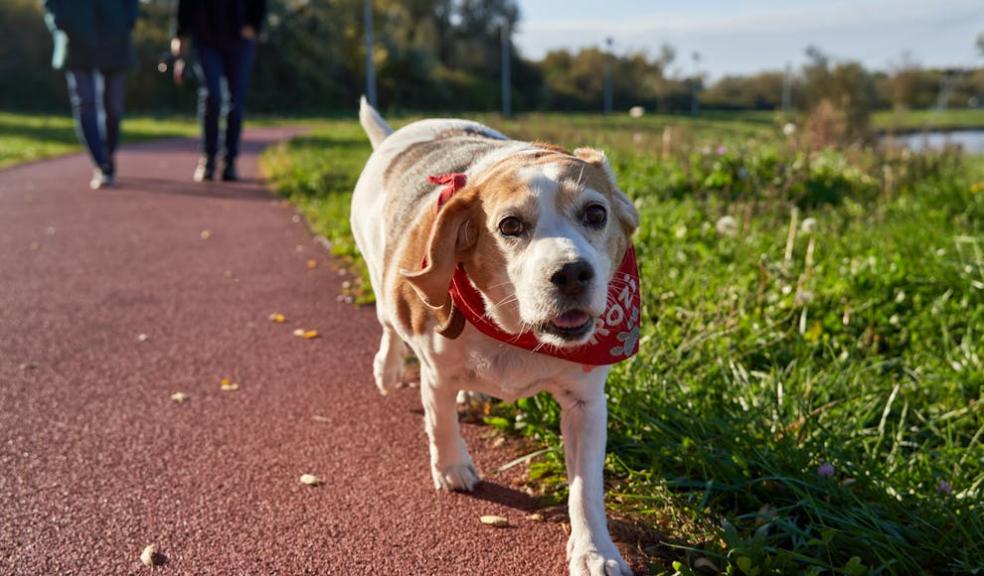
What dogs experience as they age, according to experts
From confusion to comfort-seeking, the subtle changes owners don’t always recognise
As dogs get older, the changes owners notice on the surface, such as slowing down or sleeping more often, only tell part of the story.
Experts say ageing can also affect how dogs experience the world around them, from how they process their environment to how they respond to routines, food and interaction.
According to Jo Hinds, COAPE-certified behaviourist and Dynamic Dog Practitioner at Years, a fresh dog food brand specialising in tailored nutrition for dogs, understanding these changes is key to supporting dogs properly in later life.
“Ageing in dogs isn’t just physical,” she explains.
“There are cognitive, sensory and behavioural shifts that can change how a dog experiences everyday life. The challenge is that many of these changes are subtle and easy to miss.”
A slower, more sensitive world
As dogs age, their senses can begin to decline. Vision may become less sharp, hearing can fade, and their sense of smell, which is central to how they interpret the world, may weaken.
“This can make familiar environments feel different,” says Jo Hinds.
“A dog might hesitate more, seem less confident, or react differently to things they previously ignored.”
These changes can sometimes be mistaken for stubbornness or disobedience, when in reality they reflect a shift in how the dog is processing its surroundings.
Changes in mood and behaviour
Experts say older dogs may also show changes in behaviour that reflect how they are feeling physically and mentally.
This can include:
- Becoming more withdrawn or less playful
- Seeking more reassurance or staying closer to owners
- Showing signs of confusion or disorientation
- Changes in sleep patterns, including restlessness at night
- Reduced tolerance for noise or busy environments
“Dogs often become more sensitive as they age,” Jo Hinds explains.
“They may seek comfort more, or avoid situations they used to enjoy, simply because they feel different physically or mentally.”
The link between physical comfort and behaviour
Pain or discomfort, particularly from joints or dental issues, can also influence how dogs behave.
“A dog that is in discomfort may not want to move as much, interact as much, or engage in the same way” says Jo Hinds.
“That can sometimes be misinterpreted as them ‘slowing down’ when there may be something more specific going on.”
“Dogs can also start to show behaviours they may never have before like growling and snapping which can be a significant indicator that something might be going on physically and mentally.”
Appetite and interest in food
Food can also be affected as dogs age, both physically and behaviourally.
Changes in smell and taste, alongside dental sensitivity or digestive shifts, can impact appetite.
“Some dogs become fussier, others may lose interest in food altogether,” Jo Hinds says.
“It’s important to understand why that change is happening rather than assuming it’s normal.”
What helps dogs feel more comfortable as they age
While ageing is inevitable, experts say there are simple ways owners can support their dogs through these changes:
- Keeping routines consistent and predictable
- Adjusting exercise to suit mobility and energy levels
- Providing a comfortable, quiet resting space and non slip flooring
- Monitoring weight and appetite closely
- Ensuring nutrition is appropriate for their life stage
- Discuss with your vets help with joint support and comfort
“Small adjustments can make a big difference,” says Jo Hinds.
“When you understand how your dog is experiencing the world, you can respond in a way that helps them feel more secure and comfortable.”
A different kind of care
Experts say the key shift for owners is recognising that older dogs often need a more tailored approach.
“It’s less about doing more, and more about doing things differently,” Jo Hinds adds.
“Paying attention to those subtle changes can help improve quality of life in a meaningful way.”