

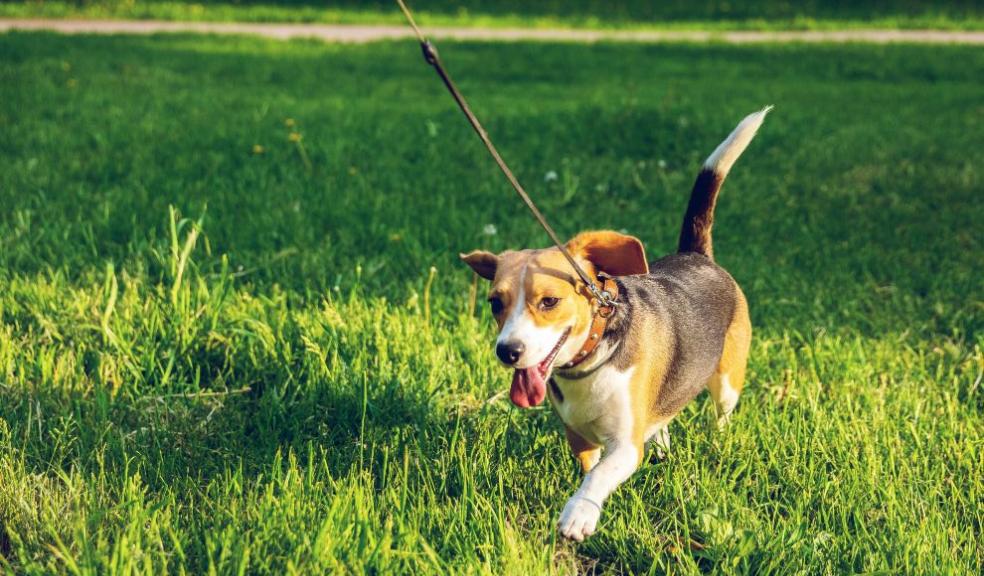
Record number of pets poisoned by drugs – dog expert shares three ways to keep them safe
Following a report revealing a 42% rise in calls about pets ingesting recreational drugs and nicotine, from 445 in 2024 to 633 in 2025, dog owners are being urged to take extra care on walks.
With dogs naturally inclined to scavenge, even an everyday walk can present unexpected risks if owners aren’t paying attention.
Carolyn Menteith, Dog Behaviourist at leading dog food subscription brand Tails.com, explains why scavenging is a natural behaviour for dogs and shares three simple ways owners can reduce the risk when out on walks.
1. Stay alert and keep your dog engaged on walks
“While it can be hard to imagine when we look at our pampered pups, dogs are natural scavengers. That’s how their ancestors would have survived, and it is how the majority of dogs around the world still do.
“Dogs repeat what works for them - that’s why they are so easy to train. What happens immediately after a dog does a behaviour will decide whether they do that behaviour more often or less often in the future.
“When we train them to sit, for example, we encourage them into the right position and as soon as they do it, we give them a treat - which means that behaviour will happen more often.
“With scavenging, the very first thing that happens after finding something edible is that the dog gets that treat - and so, of course, it will happen more often. And of course some of our most popular breeds are pretty greedy (Labradors, I’m looking at you) and so they are always looking out for a snack.
“Owners shouldn’t expect their dogs to behave in a way that is against their natural instincts if they leave them to do what they want when they are out. So many owners zone out when walking the dog and stare at their phones or get distracted in other ways - so no wonder the dog starts to look for more interesting things!
“Keep your dog engaged with you when you are out - and make sure you know where they are and what they are doing all the time.”
2. Keep your dog on a lead in unfamiliar areas
“While having a good recall is always important, it shouldn’t be relied upon when there is the opportunity of the ‘reward’ of a sneaky snack (especially for ‘always hungry’ dogs).
“If you don’t know the area, or know there are likely to be dangerous things around that your dog could pick up, keep them on a lead. The lead isn’t just so your dog doesn’t run off - it’s there to keep them safe too.
3. Consider a muzzle to prevent scavenging
“Muzzles get a bad reputation, as people think they are something you put on a dangerous dog to stop them biting or attacking someone - but they can also help keep your dog safe by preventing them from picking up and eating dangerous objects or substances. They can also protect unsuspecting people’s picnics from a mutt on a mission!
“Make sure any muzzle you use allows the dog to pant and drink - so use a basket-type muzzle, which will let water in but keep illicit snacks out.
“As with any dangerous situation:
• Keep an eye on your dog
• Put them on a lead
• Use a muzzle