


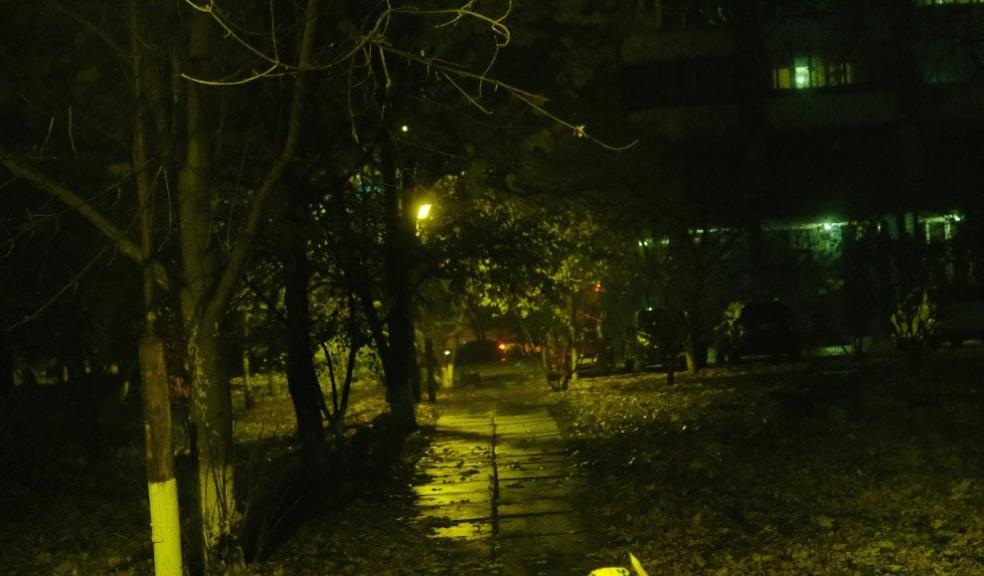
Dog owners warned not to forget one thing before heading out this autumn
As darker nights and unpredictable autumn weather set in, dog owners are being warned to take extra care when heading out with their pets.
Fog, heavy rain, strong winds and slippery surfaces can quickly turn a routine walk into a risky one, with the HSE warning that slip and trip accidents increase during autumn and winter.
That’s why Dr Sean McCormack, Head Vet at leading dog food subscription brand Tails.com, has shared simple ways dog owners can prepare for darker, colder walks and keep both themselves and their pets safe this autumn and winter.
1. Make you and your dog as visible as possible
One of the most important things you can do to protect yourself and your dog while walking is to ensure that you are both visible to passing traffic. Keep in mind that with the evenings and mornings becoming darker, and with weather conditions worsening, it can make it more challenging for others to see you.
Try to avoid wearing dark clothing. Instead, opt for neon and reflective fabrics, paired with headlamps or other lights that you can attach to your clothing. You can even purchase ones that you can attach to your dog's harness and collar to keep them safe and so you can see them more clearly off lead, or an extendable lead.
Attaching lights to your body or wearing a headlamp leaves your hands free to keep control of your dog, which is particularly important if you’re walking on a narrow pavement.
2. Ensure your dog stays warm
Whether your dog has an abundance of fur or thin fur, it’s always important to feel their body temperature. Make sure you check their ears, feet and limbs, as those areas are more challenging to keep warm while walking in the dark. If your dog’s body is not warm to the touch, they may benefit from a winter coat or fleece.
You may also want to consider a snood to protect their ears and neck and/or a thermal overall suit to protect their legs from cold wind or mud and keep their thighs warm. That said, make sure that when buying clothing for your dog, you ensure it's an appropriate, comfortable fit. It’s not rubbing or chafing anywhere and not restricting your dog's normal movement.
3. Be contactable and alert
Always take a fully charged phone with you in case you or your dog encounter any danger, and make sure you have an emergency vet saved in your contacts. It’s important to take the correct precautions, even if you think you might be unlikely to need them, as having a way to contact others will give you peace of mind.
4. Be wary of antifreeze
Rock salt is a mixture of salt (sodium chloride) and grit and is an effective way to reduce ice build-up on roads during the colder seasons. As we edge closer to Christmas, grit laid out on the road will become more common and less visible due to the darker mornings/evenings.
However, road salt can be extremely dangerous to dogs, as it can irritate the dog’s skin, causing dryness, cracking and even burns to a dog’s pads. Even more dangerous for dogs, if they lick it from their paws or fur, they can ingest the chemicals, which can be toxic.
Symptoms of salt poisoning include drooling, vomiting, diarrhoea and loss of appetite. In more severe cases, it can result in seizures and even death. This is why dog owners need to clean their pet’s paws after coming home from a walk in autumn and winter.
If the content is used, a link must be provided to https://tails.com/gb/