

Pet Flavour Enhancers: Help Picky Pets Eat Better
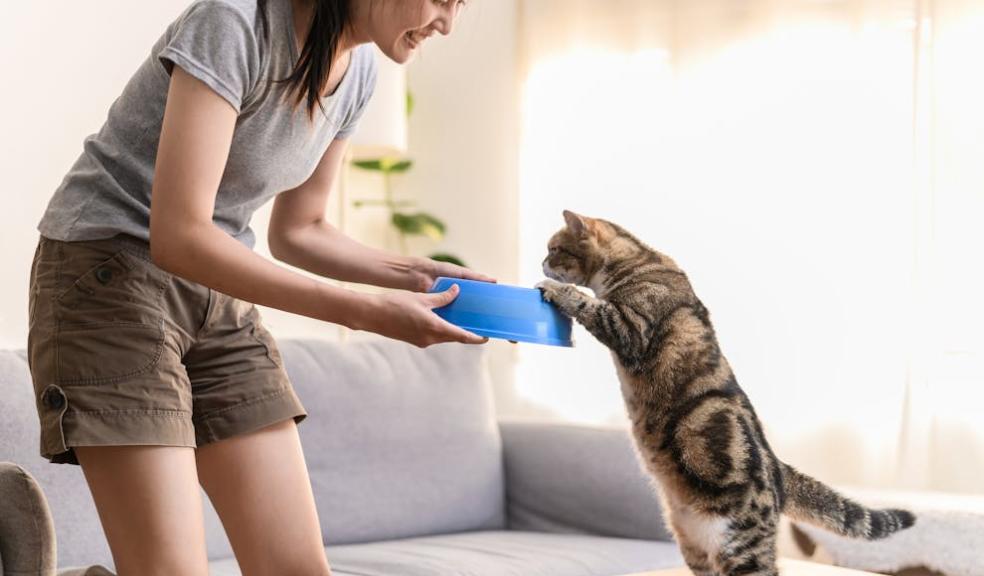
Pet flavour enhancers add taste to food. They help dogs and cats who refuse meals. Many pets turn picky with age or health issues. These products use natural items like meat or veggies. They boost appetite without harm.
Research shows most enhancers focus on real flavours. Some raise concerns about hidden additives in pet food. Evidence points to natural toppers as safer choices. Studies suggest picky eating links to diet changes or stress.
What Are Pet flavour Enhancers?
These are add-ons for pet food. They make bland kibble more appealing. Common forms include sprinkles or mixes. Makers use beef, chicken, or fish bases. Vets note they help underweight pets gain strength.
Benefits for Dogs and Cats
Enhancers encourage eating in fussy animals. They add vitamins and minerals. For older pets, they ease meal times. Cats with kidney issues may eat more with added taste. Dogs on strict diets get variety without upset.
Types to Consider
Powder toppers mix easy with water. Liquid boosters pour over food. Some use freeze-dried meat for strong scent. Others blend herbs for gut health.
Pet flavour enhancers solve common feeding problems. They turn regular food into something pets want. This guide covers their use, types, and tips. It draws from top sources on pet care.
What Pet Owners Need to Know About flavour Enhancers
flavour enhancers target picky eaters. Dogs and cats often skip meals due to boredom or illness. These products add scent and taste. They come from natural sources like liver or salmon. Unlike basic food, they provide extra appeal.
How flavour Enhancers Work
Enhancers coat food with appealing smells. Pets rely on nose more than taste. Strong aromas draw them in. Mix with water for broth. This adds moisture too.
In dry food, sprinkle on top. For wet food, stir in. Results show pets eat faster. One study notes 90% acceptance with good flavours.
Structure from top pages uses clear sections. They start with problems like picky eating. Then list benefits. Headings cover ingredients and use.
Benefits and Health Impacts
Enhancers help thin pets gain weight. They support recovery after surgery. For seniors, they maintain energy.
|
Benefit |
Description |
Example for Dogs |
Example for Cats |
|
Appetite Boost |
Makes food tempting |
Adds beef scent to kibble |
Fish mix for wet meals |
|
Nutrition Add |
Includes vitamins |
Omega oils for coat |
Probiotics for gut |
|
Hydration Help |
Forms broth |
Mix powder with water |
Liquid over dry food |
|
Digestion Aid |
Uses herbs |
Turmeric reduces swelling |
Mint calms stomach |
They fit special diets. Diabetic dogs get low-sugar options. Allergic cats avoid common triggers.
Concerns include over-use. Too much can unbalance meals. Watch for weight gain.
Types of Pet flavour Enhancers
Different forms suit needs.
- Powder Types: Easy to store. Last long. Made from dried meat or plants.
- Liquid Boosters: Quick mix. Often bone-based. Add protein.
- Freeze-Dried Toppers: Keep nutrients. Strong flavour from real meat.
- Herb Blends: For health focus. Include flax or chia seeds.
Top pages group by animal. Dog enhancers use red meat. Cat ones lean to fish.
Related questions ask about natural vs synthetic. Natural uses whole foods. Synthetic may include digests from by-products.
Choosing the Right Enhancer
Look at ingredients first. Pick hormone-free meats. Avoid salt or sugar.
Check pet size. Small dogs need less. Read labels for calories.
Test flavours. Start with samples. Rotate to keep interest.
Tables from sources compare options.
|
Type |
Pros |
Cons |
Best For |
|
Powder |
Shelf-stable |
May clump |
Daily use |
|
Liquid |
Fast absorb |
Messy |
Quick meals |
|
Freeze-Dried |
Nutrient-rich |
Costly |
Picky eaters |
Match to diet. Grain-free for sensitivities.
How to Use Them Safely
Add small amounts. Half teaspoon per cup of food.
Monitor reactions. Stop if upset occurs.
Store cool and dry. Use within dates.
Vet advice matters. Especially for health conditions.
Common questions: Safe for puppies? Yes, in moderation. For kidney issues? Choose low-phosphorus.
DIY flavour Enhancer Recipes
Make at home with safe items.
- Boil chicken bones for broth. Strain and cool.
- Blend cooked liver with water. Freeze in cubes.
- Mix plain yogurt with berries. For small treats.
Use fresh items. Avoid onions or garlic.
Benefits: Control quality. Save money.
Common Mistakes to Avoid
Don't over-feed. Enhancers add calories.
Skip unknown sources. Stick to trusted makes.
Watch for allergies. Test new items slow.
Final Thoughts
Pet flavour enhancers improve meal times. They help pets eat well. Choose natural ones for best results. Talk to your vet. This keeps your pet healthy and happy.