


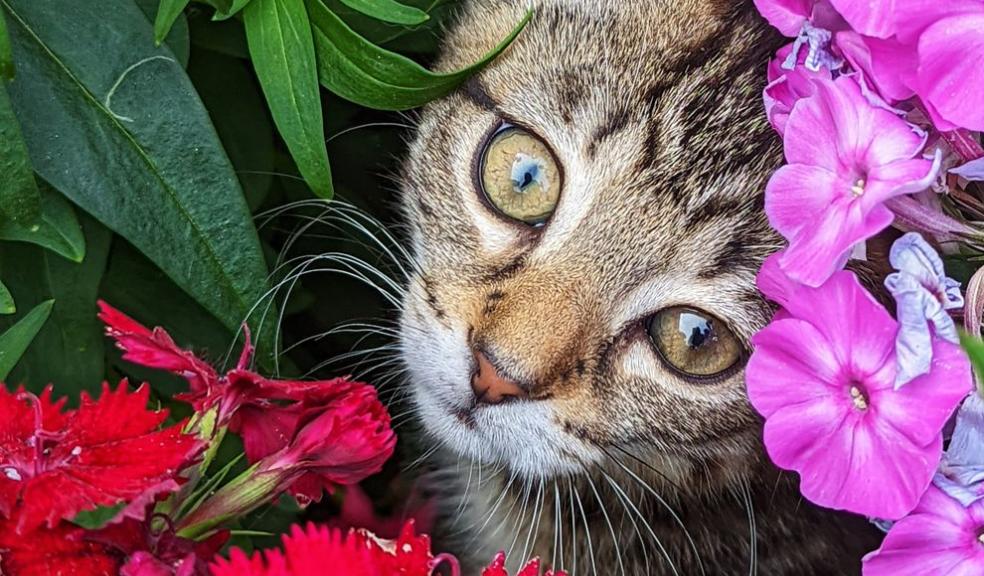
Summer gardens can hide dangers for pets
Summer is a wonderful time for pets to enjoy spending more time outdoors, but while gardens burst into colour during the warmer months, many popular plants can pose a serious risk to curious cats, dogs and rabbits.
Leading vet charity PDSA is reminding owners to be aware of common poisonous plants and flowers that could cause illness if chewed, eaten or, in some cases, even brushed against.
PDSA Vet Nurse Shauna Walsh says: "Many of the plants we love to grow or display in our homes and gardens can be harmful to pets. Dogs, cats and rabbits are naturally curious, especially younger animals, so it's important to know which plants could be dangerous and take steps to keep them out of reach."
Cats and Lilies
One of the biggest risks during the summer months comes from lilies. While beautiful, they are extremely toxic to cats, with even tiny amounts of pollen or water from a vase potentially causing life-threatening kidney failure.
Shauna explains: "Lilies are one of the most dangerous plants for cats. Even brushing against the pollen and then grooming themselves can make them seriously ill. If you think your cat has come into contact with any part of a lily, it's essential to contact your vet immediately."
Other common summer plants that can be harmful include foxgloves, hydrangeas, rhododendrons, azaleas, oleander and laburnum. Depending on the plant and the amount eaten, symptoms can range from vomiting and diarrhoea to breathing difficulties, tremors, heart problems and seizures.
Spring Bulbs
Gardeners should also be cautious when planting spring bulbs ready for next year, as bulbs such as daffodils, tulips and bluebells can be poisonous if dug up and eaten by inquisitive dogs.
"It's not just flowers that pose a risk," says Shauna. "Seeds, berries, bulbs and even leaves can all be toxic depending on the plant. Puppies and young dogs are particularly likely to investigate by chewing, so keeping an eye on them in the garden is really important."
House Plants
Houseplants can also present hidden hazards. Popular varieties such as peace lilies, devil's ivy, aloe vera and snake plants may cause illness if pets nibble on them, making it worth checking whether your indoor greenery is pet-safe.
If an owner suspects their pet has eaten a poisonous plant, acting quickly is vital.
Shauna says: "Don't wait for symptoms to appear before seeking advice. If you know or suspect your pet has eaten a toxic plant, contact your vet straight away. If possible, take a photo of the plant or bring a sample with you, as this can help your vet identify the toxin and begin the right treatment as quickly as possible."
While not every plant is dangerous, knowing what's growing in your home and garden can help prevent accidents and give owners peace of mind throughout the summer.
"Our gardens should be places where pets can play and explore safely," adds Shauna. "By choosing pet-friendly plants and knowing which ones to avoid, owners can help keep their furry family members safe while everyone enjoys the sunshine."
For more information on poisonous plants and how to protect your pets, visit pdsa.org.uk